
Approved Sample vs Bulk Production: Kidswear Quality Controls
Quick answer: An approved children’s clothing sample does not guarantee that every bulk unit will match unless its key characteristics are converted into an enforceable production specification. Differences usually arise when the approved fabric, trim, pattern, process setting, finishing or inspection criteria do not transfer reliably into bulk manufacture. The preventive system is signed sample + controlled tech pack + BOM approval + pre-production release + in-line checks + lot-based final inspection + change control.
The central buyer question is not “Why did the factory change my sample?” It is “Which document defined the approved product, and where did the production process diverge from that definition?”
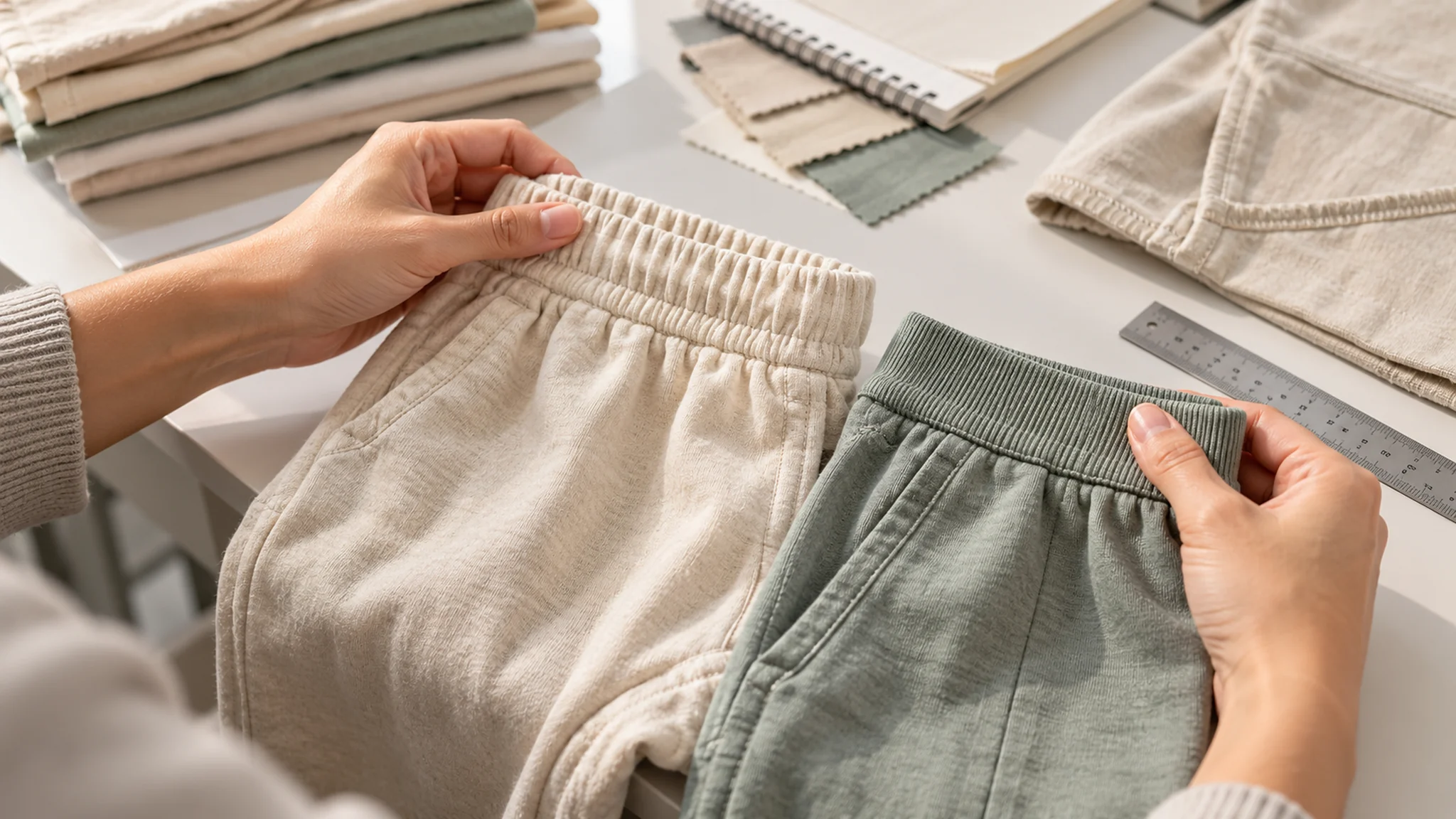
1. Understand the different sample stages
The term “sample” can refer to several different artifacts: initial development sample for feasibility, fit sample for pattern shape, salesman or photo sample for merchandising, and pre-production (PP) sample representing approved materials and construction for bulk. Only the sample that has been formally designated and approved for production should serve as the reference—and even then it needs supporting measurable specifications.
| Sample stage | Decision it supports | What it should not be assumed to prove |
|---|---|---|
| Development sample | Basic design feasibility | Exact final fabric or bulk consistency |
| Fit sample | Pattern, movement and size adjustments | Approval of printing/packaging if absent |
| Print strike-off / lab dip | Appearance of color/print on specified base | Finished garment fit or durability |
| Pre-production sample | Final construction/material/label sign-off | That bulk production requires no inspection |
| Shipment reference | Retained accepted representative | That untested lots are identical |
2. Define what “matches sample” actually means
A production-ready specification should have objective criteria for every material characteristic: fabric composition, GSM and hand feel reference; color/shade control method; POM dimensions and tolerance; stitch type and density where critical; waistband stretch/recovery; print position; labels; packaging; and any applicable safety/testing requirements.
Without a written criterion, “looks close” becomes a subjective dispute. The brand may expect a soft rib while the factory views another commercially available rib as equivalent. Equivalent materials must be agreed before substitution, not after the goods are packed.
3. The common causes of sample-to-bulk drift
| Difference found | Possible underlying cause | Preventive control |
|---|---|---|
| Waistband feels tighter | New elastic supplier, different attachment tension | Approved elastic spec and stretch test |
| Garment shrinks more | Different lot, finishing or washing conditions | Fabric lot test and control sample |
| Print appears differently scaled | Repeat/placement not graded by size | Artwork and size-specific placement chart |
| Body color looks inconsistent | Dye lot or lighting assessment changed | Approved physical swatch and shade protocol |
| Rise changes | Pattern revision or sewing allowance shift | Locked pattern revision and POM audit |
| Labels differ | Old artwork or packaging file on production line | Version-controlled label approval |
| Seam opens after wash | Stitch/seam compatibility or process setting | Approved seam specification and durability check |
These are possible causes, not automatic diagnoses. Investigate and collect evidence rather than blaming an operator or buyer from photographs alone.
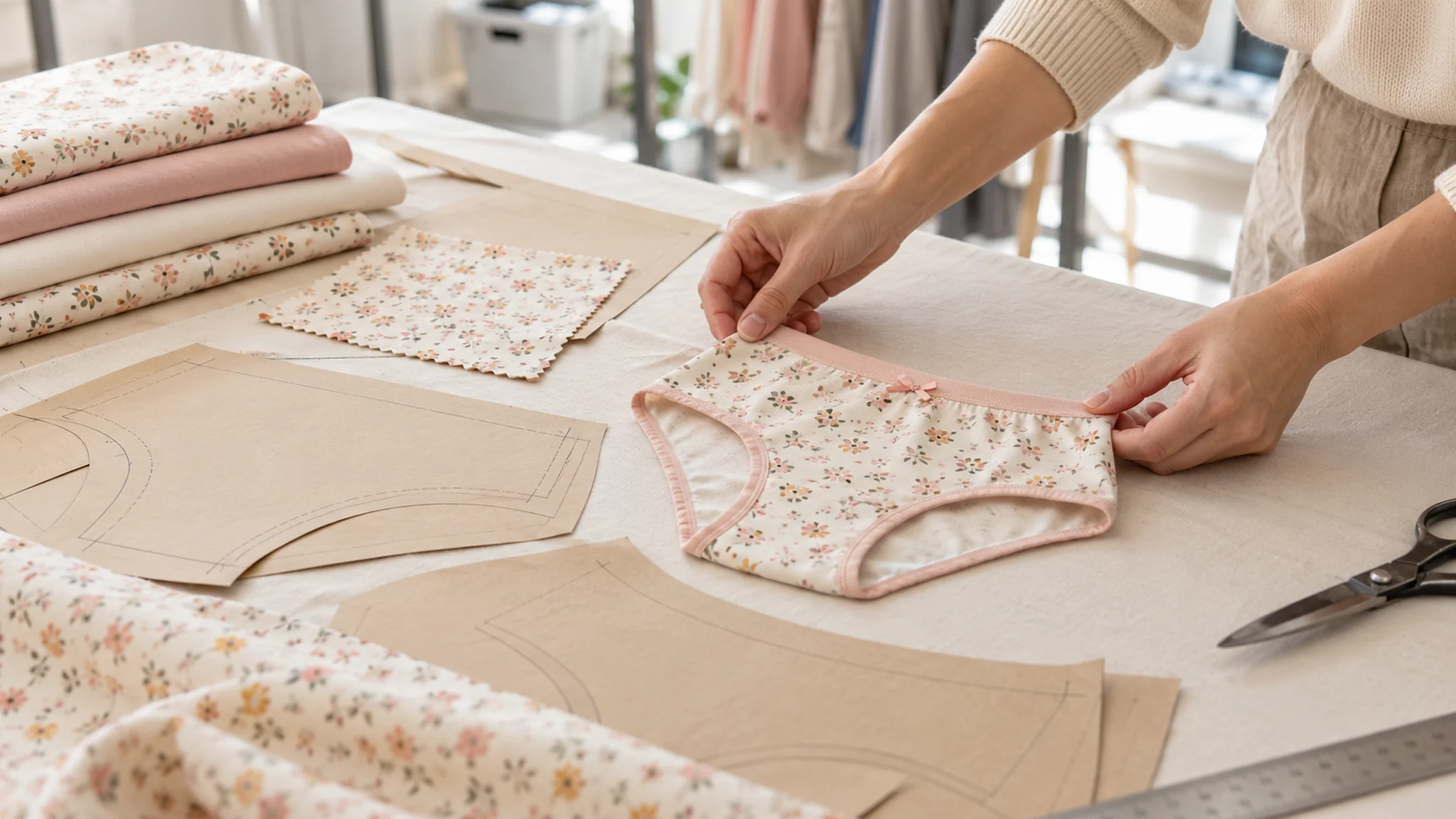
4. Lock the bill of materials with version control
Assign each material a unique identity: fabric supplier/base, composition, construction, approved color, trim reference, elastic type, size label and packaging. Record the accepted alternative, if any, separately. A BOM is meaningful only when a receiving inspector can compare the delivered material with its approval record.
Your tech pack also needs a version number and effective date. A changed pattern file should trigger new PP sample assessment if its impact is material to fit, construction or compliance. Preserve old and new versions so claims can be traced later.
5. Conduct the pre-production meeting
Before cutting begins, review the PP sample, patterns and grading, fabric and trim lots, production instructions, measurements, artwork, customer comments, test plan, quality criteria, shipping requirements and responsibility for exceptions. Resolve open questions; don’t hide them in a meeting summary marked “approved.”
Suggested sign-off list:
- Correct approved reference sample on site.
- Correct version of tech pack, patterns and artwork.
- Actual bulk fabric and trims checked against approved BOM.
- Labeling and packaging content approved for the market.
- Highest-risk POMs and construction points identified.
- Testing status and responsible party documented.
- First-off production piece/size-run inspection planned.
- Escalation path for defects and substitutions defined.
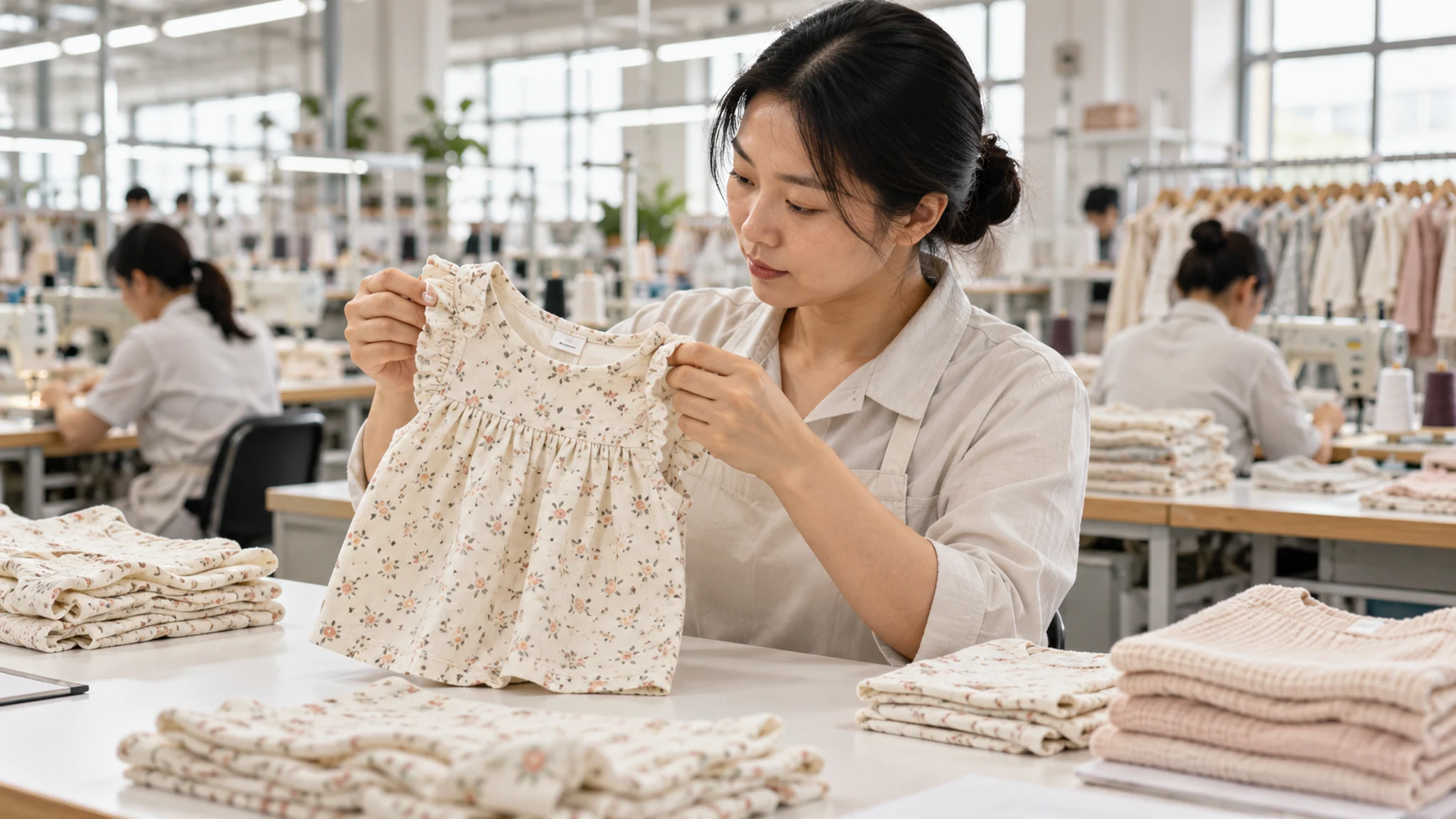
6. In-line inspection is a feedback loop, not a photo opportunity
First-off inspection compares early production against approved standard before a defect is repeated across the entire run. In-line checks look for drift in machine settings, stitching, fabric handling and labeling. Measurement data should be recorded by time, line, size, color and lot where relevant.
When a failed point is found, isolate affected work, assess cause and verify the correction. Then decide whether previously produced pieces require screening or rework. Sending a buyer a picture of a corrected garment is not the same as checking the affected batch.
7. Final inspection should use an agreed acceptance plan
AQL-based sampling can be part of a final quality plan, but AQL is not a substitute for product safety requirements and does not promise zero defects. Agree defect classification, inspection level, lot definition, sampling rules, acceptance criteria, measurement tolerances and handling of critical safety defects before inspection.
For children’s garments, a critical safety issue may require a different disposition than a minor cosmetic variation. Do not allow an overall statistical pass to override a product-specific legal failure or an unresolved serious safety issue.
8. What happens when a bulk lot fails?
The proper response depends on the defect and impact:
- Contain: identify and quarantine affected cartons, lots or production period.
- Compare: retrieve signed sample, actual BOM, test reports and inspection record.
- Investigate: determine whether the cause is material, process, measurement or unclear specification.
- Correct: document approved repair/rework or replacement and any new safety/testing requirement.
- Verify: inspect corrected lots using the agreed plan; document the buyer’s acceptance.
- Prevent recurrence: update supplier controls, process instructions or sample release procedure.
Where product safety is implicated, determine legal notification and shipment-release responsibilities; do not treat a factory discount as a substitute for conformity.
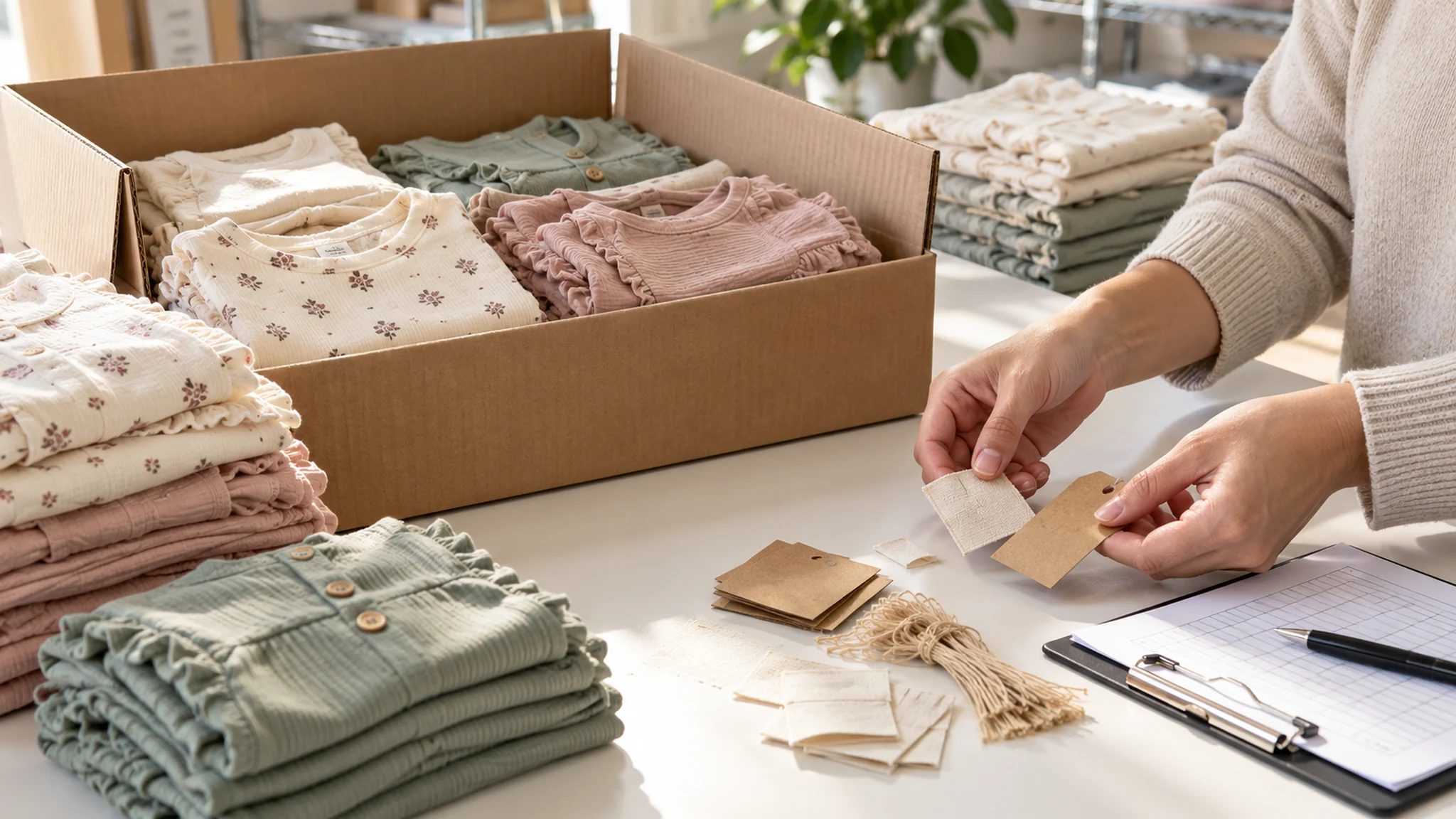
9. Use a pre-production release and deviation log
The downloadable templates/pp-sample-bulk-release.csv allows a brand or QA inspector to track style, revision, reference sample ID, control point, result, owner and release decision. Keep a separate deviation record for proposed changes and authorization. Make one named person responsible for resolving every open issue.
10. Reorder protection: do not assume continuity
Retain the accepted reference and updated material specs for repeat orders. Reassess anything that changes, including fabric mill, print treatment, elastic, shrinkage behavior and target market. A repeat order may use an approved pattern but new fabric lot; the process should verify important performance characteristics again.
11. Example corrective-action investigation: elastic changed after approval
A buyer receives boxer briefs that appear identical to the PP sample but feel too tight at the waist. The QA team collects the approved waistband reference, signed POM sheet, elastic supplier identity, fabric lot, sewing instructions and first-off inspection records. It measures the bulk garment using the same relaxed/stretched protocol as the approved sample. It then isolates the affected period of production and compares the elastic lots and attachment tension.
If the evidence supports a material substitution, the investigation should explain why the replacement was accepted without change approval. Corrective action may involve rework or replacement depending on feasibility, performance and applicable obligations. Preventive action should update incoming-trim checks and line instructions, with verification that future lots use the approved input.
A strong report distinguishes observation (the waist differs), cause (if established), containment, correction and prevention. Photos alone cannot show every one of these facts.
12. How to set up a useful golden sample library
Every approval reference should have a visible ID tied to the tech-pack revision, size, color, date and customer. Keep selected physical samples in controlled conditions and identify them as retained references rather than resale goods. Retain digital photographs of critical construction points, but use those as supplementary records. A color photograph taken under uncontrolled phone lighting cannot replace an approved physical swatch where shade is critical.
For repeat orders, check whether the garment’s critical specifications are unchanged and whether the reference remains representative. If the customer redesigns a waistband or moves a print, issue a new revision rather than overwriting the old record with a vague note.
13. A 30-minute pre-production review agenda
An efficient meeting can cover technical and commercial decisions in a clear sequence: identify current approved revision; confirm exact material lots and trims; check first-off measurement points; discuss highest-risk features and applicable tests; review artwork and labels; confirm line instructions; assign owners to open deviations; and document the release decision. If a critical issue remains unresolved, do not mark the style “approved to cut” just because everyone attended.
The minutes should record actions and deadlines, not simply attendees. This is particularly important when merchandising, sample room and production operate on separate schedules or in different languages.
FAQs
Is a PP sample the same as a fit sample?
Not necessarily. A fit sample proves design/shape decisions; a PP sample should reflect approved materials, construction and production requirements.
Can I use factory photos as proof bulk goods match the sample?
Photos are helpful for traceability and communication but cannot replace objective measurement, material verification or applicable tests.
How do you prevent a waistband from changing between sample and production?
Specify the approved elastic, width, recovery method, attachment construction and acceptance values, then compare actual materials and first-off production pieces against the reference.
Does an AQL pass guarantee every garment is defect-free?
No. AQL sampling is a defined acceptance approach with statistical limitations and must be combined with critical-safety controls and appropriate ongoing inspections.
Can I approve a material substitution after bulk production?
The buyer may assess a documented proposal, but the change should not be made without prior authorization, particularly when fit, performance or compliance may be affected.
Related reading: Kids Underwear Bulk Order Guide · How to Measure Kids Underwear · Custom OEM Production
Talk to a Kidswear Manufacturing Specialist
Send your product type, reference images or tech pack, fabric composition, size range, intended market, quantity by style and color, and target delivery date. Request an OEM/ODM feasibility review and quotation. MOQ, sampling, testing responsibilities and delivery milestones are confirmed against your actual specification.