
Bamboo Baby Clothes: Fabric, Labeling and OEM Guide
On this page
- Why Bamboo Baby Clothes Became Popular
- Use Correct Fiber Terminology
- Avoid Unsupported Antibacterial Claims
- Common Bamboo-Viscose Fabric Constructions
- GSM: Choose Weight for Product and Season
- Stretch and Recovery Matter More Than Hand Feel
- Pilling and Surface Fuzz
- Shrinkage, Spirality and Dimensional Stability
- Printing on Bamboo-Viscose Bases
- Bamboo Baby Pajamas and U.S. Sleepwear Rules
- Labeling and Private Label Development
- OEM vs Ready Stock
- Supplier Questions for Bamboo Babywear
- Best Uses by Product
- FAQ
- A Practical Bamboo Babywear Development Workflow
- Color Development on Bamboo-Viscose Knits
- Cost Drivers in Bamboo Baby Clothes
- Claims Checklist Before Launch
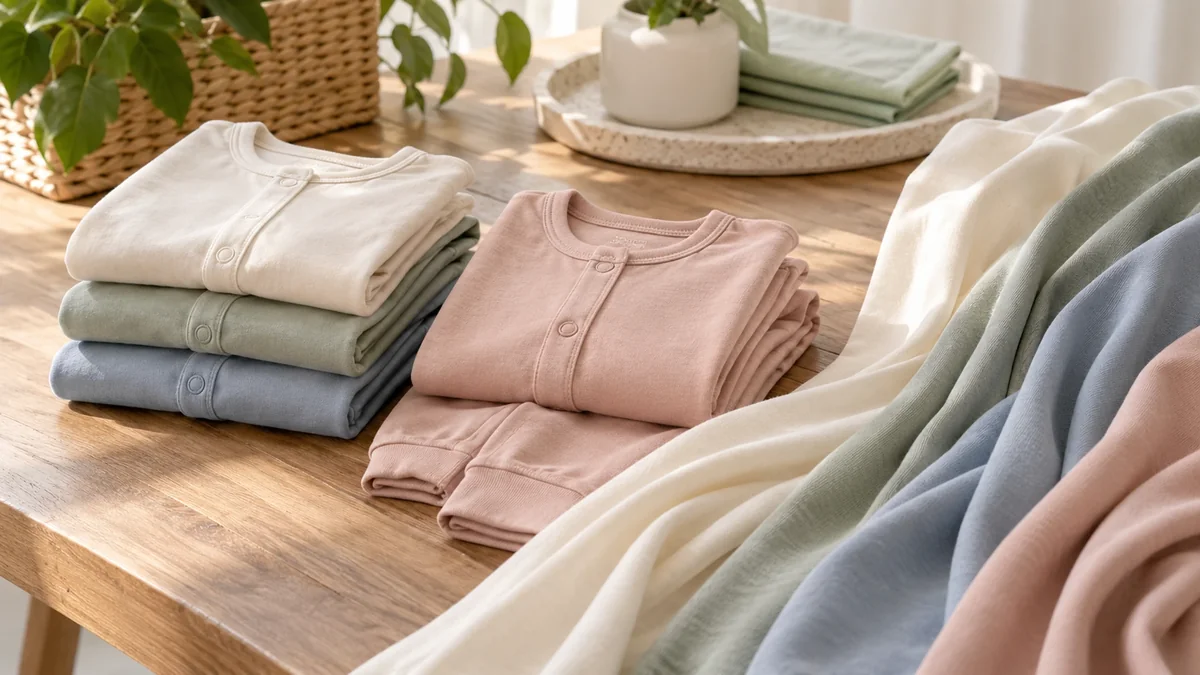
Most soft “bamboo baby clothes” sold in the market are not garments made from mechanically processed bamboo fiber. They are usually made from rayon or viscose produced from bamboo-derived cellulose. For U.S. labeling and advertising, the FTC says sellers should use the proper generic fiber name, such as “viscose made from bamboo” or “rayon made from bamboo,” unless the textile is genuinely made directly from bamboo fiber. For brands, the practical sourcing questions are therefore fabric composition, knit construction, GSM, stretch/recovery, pilling, shrinkage, dye/print performance, labeling and the intended use of the garment.
This article focuses on bamboo baby clothes as a product-development and OEM category, rather than repeating a general explanation of what bamboo fabric is.
1. Why Bamboo Baby Clothes Became Popular
The commercial appeal is easy to understand. Viscose made from bamboo can have a very soft, fluid hand and works well in stretch knits used for:
- baby pajama sets;
- sleepers;
- bodysuits;
- rompers;
- tees;
- leggings;
- soft lounge sets.
For a brand, however, “soft” is not a complete specification. Two bamboo-viscose fabrics can perform very differently depending on yarn, knit density, elastane percentage and finishing.
2. Use Correct Fiber Terminology
In the U.S., the FTC’s bamboo-textile guidance is explicit: textiles can be called bamboo only when they are actually made directly from bamboo fiber. Regenerated rayon/viscose produced using bamboo as the plant source should be identified with the proper generic name, such as “rayon made from bamboo” or “viscose made from bamboo.”
That distinction affects:
- care/content labels;
- website product titles/descriptions;
- Amazon listings;
- hangtags;
- advertising claims.
A factory spec sheet that says only “95% bamboo 5% spandex” should be clarified before labels are printed.
3. Avoid Unsupported Antibacterial Claims
A frequent marketing claim is that bamboo viscose naturally keeps the bamboo plant’s antibacterial properties. FTC guidance warns against unsubstantiated claims of this kind for rayon/viscose made from bamboo.
If a brand wants to make antimicrobial or antibacterial claims, it needs appropriate substantiation for the finished textile treatment/product, not an assumption based on the source plant.
For most babywear brands, the safer and more useful story is measurable product performance: softness, stretch, drape, wash performance and fit.
4. Common Bamboo-Viscose Fabric Constructions
94–95% viscose made from bamboo + 5–6% spandex
A common stretch base for baby pajamas and fitted basics. Soft, fluid and elastic.
100% viscose made from bamboo
Very soft and drapey, but without elastane it may behave differently in close-fitting styles and openings.
Bamboo-viscose/cotton blends
Can combine the hand feel of regenerated cellulose with some cotton character, but performance depends on actual yarn blend and knit construction.
Rib or jersey
Rib can provide higher mechanical stretch; single jersey is common for lightweight pajamas and sets. Always specify construction.
5. GSM: Choose Weight for Product and Season
Do not buy only by composition.
A useful brief includes:
- composition;
- construction;
- GSM;
- color;
- stretch direction;
- recovery;
- finishing;
- shrinkage tolerance.
Lighter bases can work for warm climates and short-sleeve sets; more substantial bases may be better for long-sleeve products. There is no universal “best bamboo GSM.”
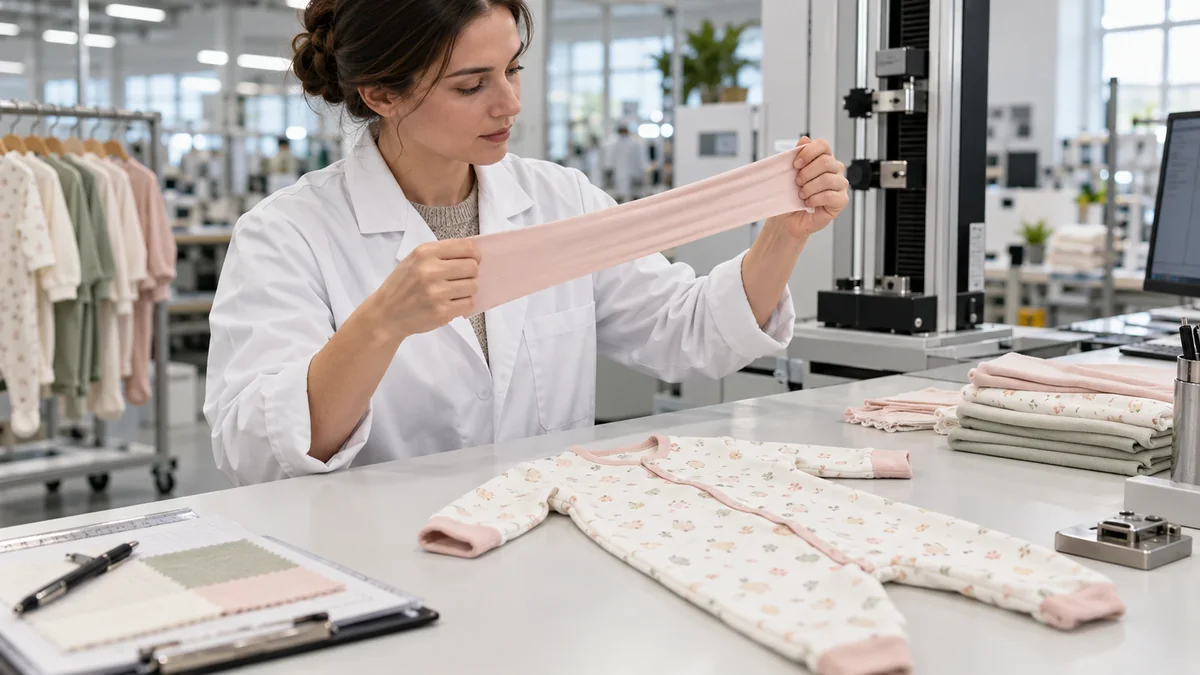
6. Stretch and Recovery Matter More Than Hand Feel
A fabric can feel luxurious and still be a poor pajama fabric if it bags at knees, elbows or neckline after wear.
Test:
- stretch percentage;
- recovery after stretch;
- neckline recovery;
- waistband recovery;
- cuff recovery;
- growth after repeated wear/wash.
This is especially important for close-fitting sleepwear and leggings.
7. Pilling and Surface Fuzz
Soft regenerated-cellulose fabrics can be vulnerable to surface change depending on yarn and finish.
Ask for:
- pilling test expectation;
- pre-production wash sample;
- side-by-side comparison after repeated wash;
- production-lot confirmation if the approved sample is from a different lot.
A sample that looks smooth only before laundering is not enough.
8. Shrinkage, Spirality and Dimensional Stability
Check garment measurements before and after washing.
For knit babywear, track:
- body length;
- chest width;
- sleeve length;
- inseam;
- neckline shape;
- side-seam twisting;
- print distortion.
The pattern may need compensation based on tested shrinkage.
9. Printing on Bamboo-Viscose Bases
Custom prints are popular in bamboo baby pajamas, but artwork should be developed with the fabric and process in mind.
Confirm:
- print method;
- repeat dimensions;
- ground color;
- colorfastness;
- print hand feel;
- registration;
- shrinkage after printing;
- artwork ownership and files.
Fine linework that looks good on a screen can behave differently on a stretchy knit.
10. Bamboo Baby Pajamas and U.S. Sleepwear Rules
Fiber softness does not replace product-specific compliance.
Children’s sleepwear above size 9 months and through size 14 is subject to the applicable CPSC sleepwear rules unless it qualifies under a defined exception such as tight-fitting sleepwear. The fit and garment dimensions therefore need to be developed with the intended compliance route in mind.
For infant garments and other excepted products, other apparel flammability requirements may still apply.
11. Labeling and Private Label Development
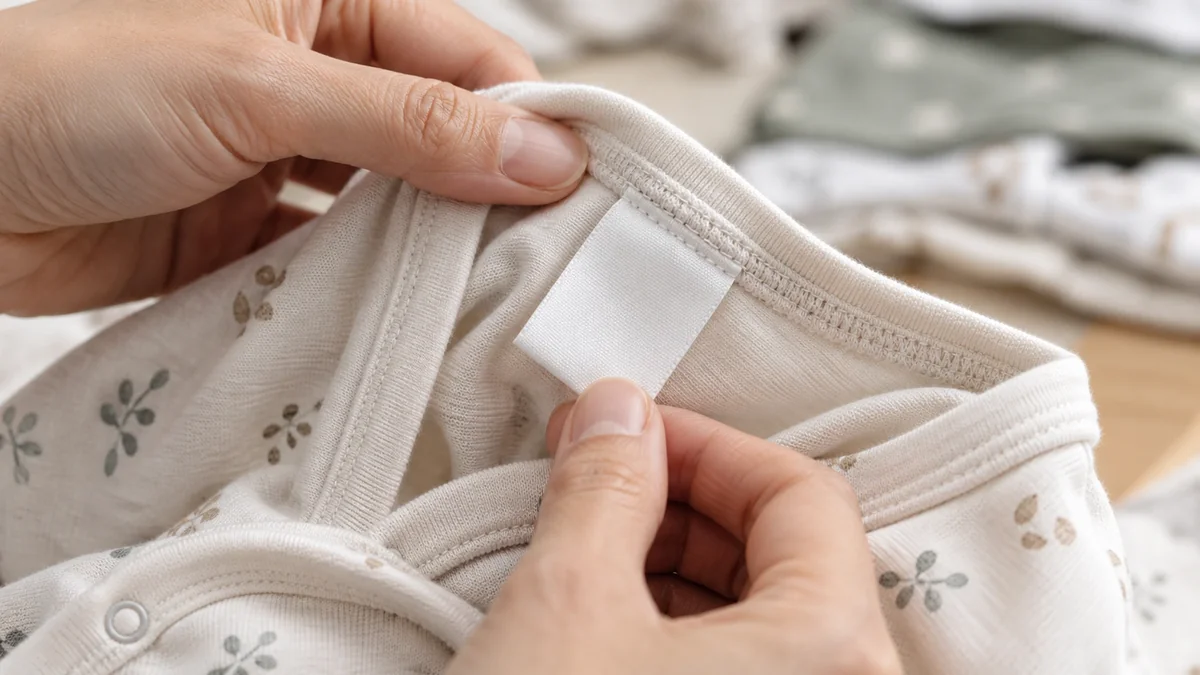
Before production, approve:
- exact fiber content wording;
- care instruction;
- size;
- country-of-origin information where required;
- brand label;
- packaging copy;
- marketing claims.
Do not approve product labels separately from ecommerce copy. A label that accurately says “viscose made from bamboo” can still be undermined by a website that markets the same item as if it were raw natural bamboo fiber.
12. OEM vs Ready Stock
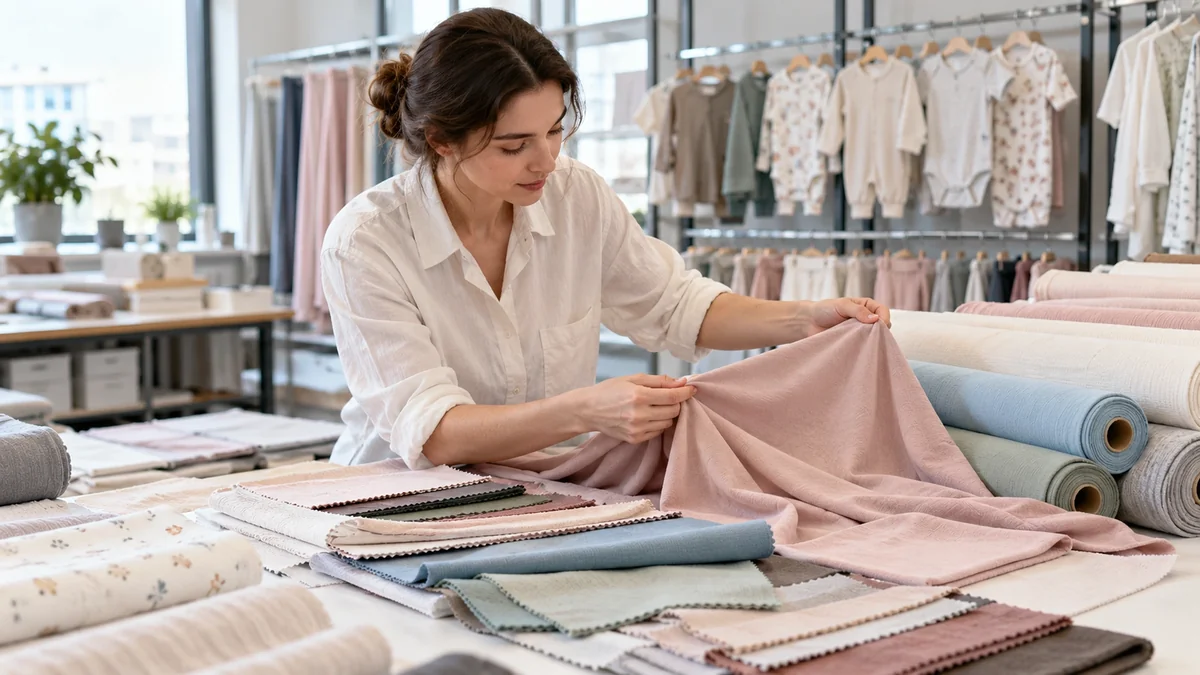
For bamboo baby clothes, ready-stock can be useful when you want to test:
- hand feel;
- size demand;
- color demand;
- customer response;
- repeat-purchase behavior.
Full custom OEM is more appropriate when your brand depends on:
- proprietary print;
- exact color palette;
- custom fit;
- unique construction;
- custom fabric weight;
- full private-label presentation.
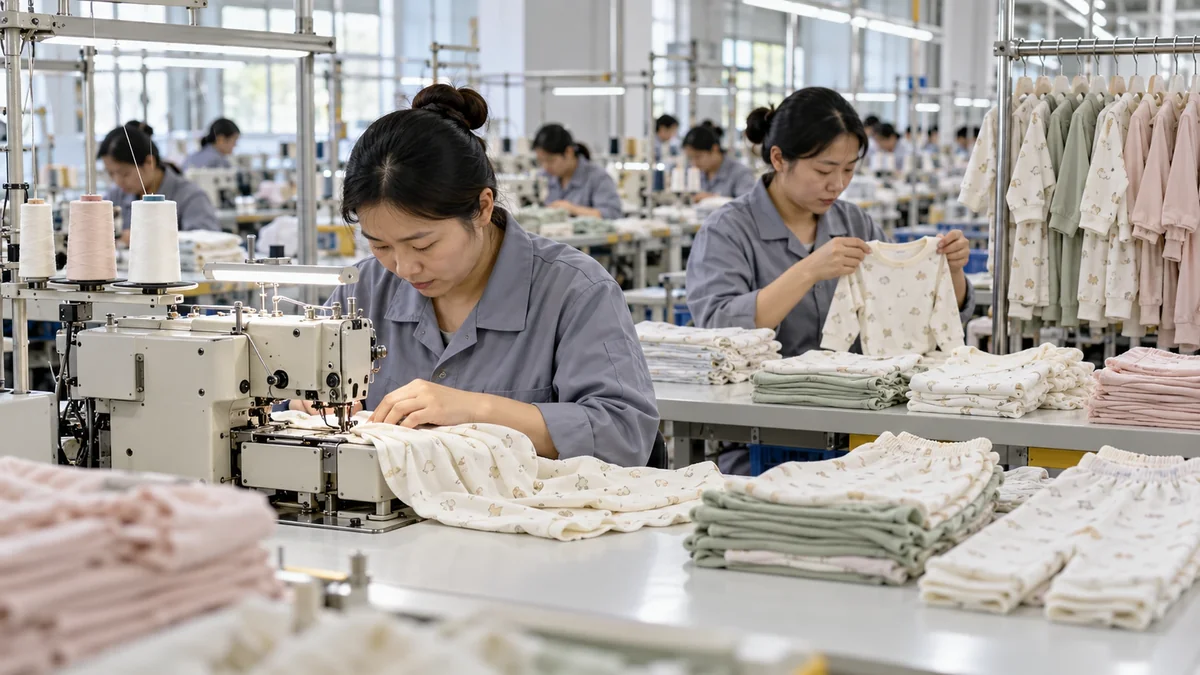
Nuohua currently offers selected in-stock baby pajama styles from 2 pcs on available colors/sizes, selected low-MOQ custom styles where applicable, and full OEM quantities based on specification review.
13. Supplier Questions for Bamboo Babywear
Ask the factory:
- What is the exact generic fiber composition?
- What knit construction is used?
- What is the target GSM?
- How is stretch/recovery evaluated?
- What is expected shrinkage?
- What pilling result is targeted?
- How is colorfastness checked?
- Can you provide a washed sample?
- What print methods are available?
- What labeling wording will be used?
- What MOQ applies to custom color and print?
- Which tests are required for my market/product?
14. Best Uses by Product
| Product | Why bamboo-viscose can work | What to control |
|---|---|---|
| Baby pajama set | softness and stretch | recovery, sleepwear fit route |
| Bodysuit | drape and comfort | neck recovery, snap area stability |
| Romper | soft hand | length shrinkage, seam stability |
| Leggings | stretch comfort | knee recovery, waistband |
| Tee | premium hand feel | neck rib/recovery, pilling |
FAQ
Are bamboo baby clothes really made from bamboo?
Most soft bamboo-branded apparel is rayon/viscose made using bamboo as the cellulose source, not mechanically processed bamboo fiber.
Can I call the product “bamboo baby clothes” for SEO?
Consumers commonly search that phrase, but the product labeling and advertising still need accurate fiber disclosures. Use clear explanatory wording such as “viscose made from bamboo” in product details and claims.
Is bamboo viscose better than cotton for babies?
Not universally. Bamboo viscose can be softer and more fluid; cotton may offer a more familiar natural-fiber story and different stability. The best choice depends on product and specification.
What blend is common for bamboo baby pajamas?
Stretch blends such as viscose made from bamboo with a small percentage of spandex are common, but the final ratio should be chosen with the intended fit and performance.
15. A Practical Bamboo Babywear Development Workflow
- Choose product type and fit.
- Confirm exact fiber composition wording.
- Select knit construction and GSM.
- Test stretch/recovery.
- Develop color or print.
- Make fit sample.
- Wash-test and remeasure.
- Review pilling/surface change.
- Confirm label language and marketing copy.
- Confirm market-specific compliance route.
- Approve PP sample.
- Lock bulk fabric lot and QC standard.
This sequence prevents the common problem of approving beautiful artwork on a fabric that later fails the fit or wash requirement.
16. Color Development on Bamboo-Viscose Knits
Regenerated-cellulose fabrics can take color beautifully, but shade appearance can vary with fiber blend, finish and lighting.
For custom color:
- provide a physical or Pantone reference;
- review lab dips under neutral lighting;
- compare dry and washed appearance;
- approve the production substrate, not a different fabric;
- retain an approved shade standard.
For pale baby colors, also consider opacity and staining risk during handling.
17. Cost Drivers in Bamboo Baby Clothes
Major cost variables include:
- yarn/fiber source;
- GSM;
- elastane content;
- custom dyeing;
- all-over printing;
- garment construction;
- zipper/snap quality;
- size range;
- custom labels/packaging;
- testing.
A slightly higher unit cost may be justified if the fabric has materially better recovery and wash performance.
18. Claims Checklist Before Launch
Before publishing the product page, check:
- Is the fiber name accurate?
- Are environmental claims supported?
- Are antibacterial claims avoided unless substantiated?
- Does the care label match the tested fabric?
- Does the website description match the sewn-in label?
- Are certification claims verified and current?
Marketing should be reviewed as part of product compliance, not after production.
Develop Bamboo Babywear From a Measurable Fabric Spec
Send Nuohua the product type, desired composition, GSM, size range, quantity, artwork and destination market. We can review whether an existing bamboo-viscose base or a custom development route is the better fit.
Or explore our kidswear manufacturing capabilities.
Nuohua Garment is a kidswear OEM/ODM manufacturer producing children’s underwear, sleepwear, baby apparel and custom kidswear for brands, retailers and wholesalers, with an 8,000 m² production base in Guangdong, China. Guidance here reflects our production experience; confirm current regulations and requirements for your market and product before ordering.