
FOB vs DDP vs CIF: Choosing the Best Incoterm for Kids’ Clothing Shipping
Two brands can buy the same carton of kids’ underwear from the same factory and pay meaningfully different landed costs — not because of the product, but because of the three letters on the purchase order. FOB, CIF and DDP are not interchangeable jargon; they are three ways of deciding who pays, who risks, and who clears customs. This guide walks through the fob vs ddp vs cif kids clothing decision from a manufacturer’s desk, where the question “what term should I put on my first order?” comes up every week.
On this page
- What FOB, CIF and DDP actually mean
- FOB vs CIF vs DDP: a side-by-side comparison
- Who pays freight, insurance and duty under each term
- Risk transfer vs title transfer: the point most brands miss
- Why CIF can be a trap: destination charges nobody quotes upfront
- FOB vs DDP for a startup brand and Amazon FBA sellers
- Which Incoterm to use on your first order
- What to confirm in writing before you ship
1. What FOB, CIF and DDP Actually Mean
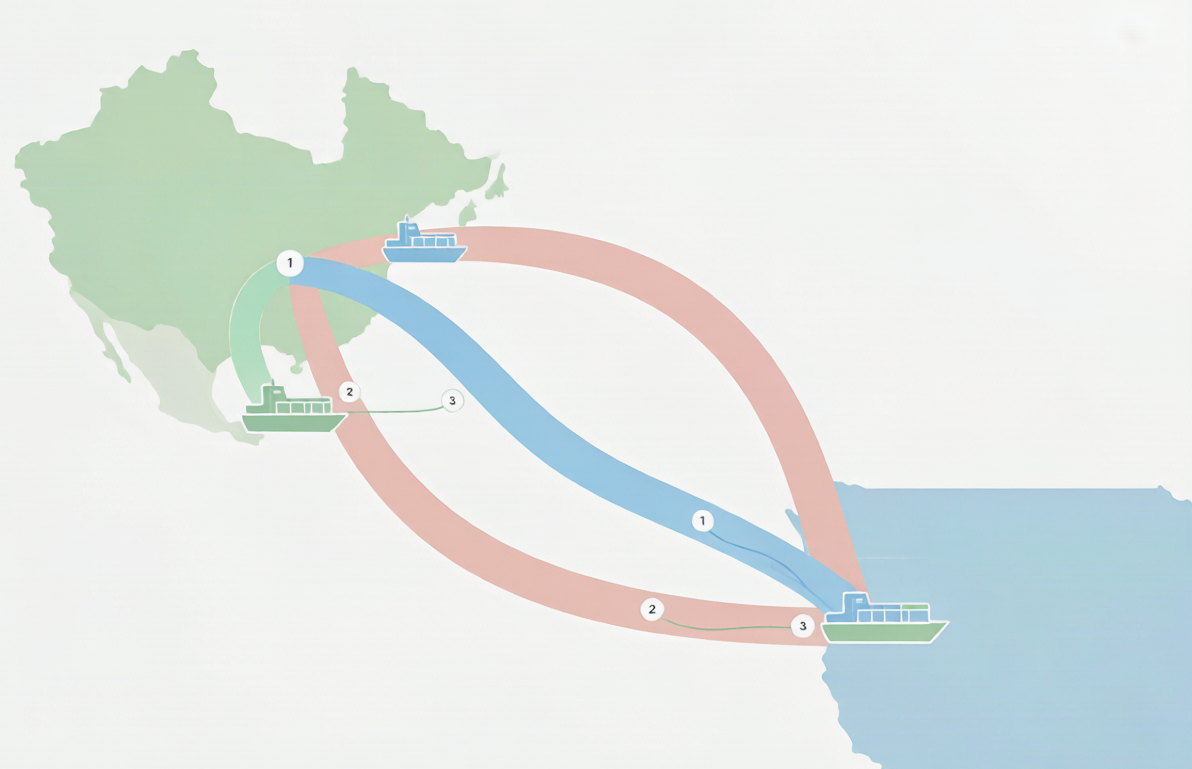
FOB (Free On Board) transfers risk when goods are loaded on the vessel at origin; you pay ocean freight and handle destination customs. CIF (Cost, Insurance and Freight) has the seller pay freight and insurance to the destination port, but risk still passes to you at loading. DDP (Delivered Duty Paid) pushes everything — freight, import duty, clearance — onto the seller, with risk passing only at your door.
These terms come from the Incoterms rules published by the International Chamber of Commerce, with Incoterms 2020 the current edition. They do not govern ownership or the sales contract; they govern who arranges and pays for transport and insurance, who handles clearance, and the exact point where risk of loss moves from seller to buyer.
For a kids’ clothing brand, the choice usually collapses into one question: how much of the shipping and customs process do you want to own? FOB asks you to own the ocean leg and destination clearance. DDP asks the factory to own almost all of it. CIF sits awkwardly in between — the seller pays freight and insurance, but you still own the risk and the destination clearance, which is exactly the combination that produces surprise bills.
2. FOB vs CIF vs DDP: A Side-by-Side Comparison
On every dimension that matters — freight payment, insurance, customs clearance and the point of risk transfer — FOB, CIF and DDP differ. FOB is buyer-managed after the origin port, DDP is seller-managed to the door, and CIF is a hybrid where the seller pays freight but the buyer still carries risk and destination clearance.
| Dimension | FOB (Free On Board) | CIF (Cost, Insurance & Freight) | DDP (Delivered Duty Paid) |
|---|---|---|---|
| Ocean freight payment | Buyer pays | Seller pays to destination port | Seller pays to destination |
| Insurance | Buyer arranges (optional but advised) | Seller arranges minimum cover | Seller’s responsibility |
| Export clearance | Seller handles | Seller handles | Seller handles |
| Import clearance & duty | Buyer handles | Buyer handles | Seller handles (duty included) |
| Risk transfer point | When loaded on board at origin port | When loaded on board at origin port | When delivered at destination |
| Title / ownership | Per the sales contract, not the Incoterm | Per the sales contract, not the Incoterm | Per the sales contract, not the Incoterm |
| Buyer’s control of freight | High — buyer chooses forwarder | Low — seller chooses carrier | Low — seller manages end to end |
| Best suited for | Established brands with a forwarder | Rarely recommended for brands | Startups wanting an all-in landed cost |
Three observations that most sourcing guides skip. First, FOB and CIF share the same risk-transfer point — both hand risk to the buyer the moment goods cross the ship’s rail at origin. CIF only sounds safer because the seller pays the freight; it does not protect you if the container is lost at sea. Second, no Incoterm transfers ownership; title follows your contract and payment terms. Third, DDP is the only term where the seller clears destination customs, which is why it is both the most convenient and the most legally delicate option to offer into the United States.
3. Who Pays Freight, Insurance and Duty Under Each Term
Freight: buyer under FOB, seller under CIF and DDP. Insurance: buyer’s choice under FOB, seller’s minimum cover under CIF, seller’s responsibility under DDP. Import duty: buyer under FOB and CIF, seller under DDP. The duty row alone is why DDP quotes look “more expensive” up front and can come out cheaper in total for a brand with no customs infrastructure.
Cost allocation is where the confusion lives, so separate the three buckets cleanly. Freight is the ocean or air carriage. Insurance protects against loss or damage in transit. Duty is the import tax charged by the destination country plus associated customs fees.
| Cost item | FOB | CIF | DDP |
|---|---|---|---|
| Export packaging & loading | Seller | Seller | Seller |
| Ocean freight | Buyer | Seller | Seller |
| Transit insurance | Buyer (optional) | Seller (minimum) | Seller |
| Destination port / terminal charges | Buyer | Buyer | Seller |
| Import duty & customs fees | Buyer | Buyer | Seller |
| Final delivery to your door / FBA | Buyer | Buyer | Seller |
Under FOB you pay all three: you book the freight through your own forwarder, you decide whether to insure (you should), and you pay the duty at clearance. Under CIF the seller pays freight and a minimum level of insurance, but you still pay duty and destination charges — and “minimum insurance” is often just the carrier’s basic liability cover, not full replacement value. Under DDP the seller pays everything and delivers to your named place, which is real convenience for a startup with no broker, but the seller is now acting as, or hiring, the importer of record in your country.
The row that catches brands off guard is destination port and terminal charges — handling, documentation and storage fees charged after the ship arrives. Under both FOB and CIF these fall on the buyer, and they are the seed of the “CIF trap” in section 5.
4. Risk Transfer vs Title Transfer: The Point Most Brands Miss
Risk transfer is the moment the goods’ condition stops being the seller’s problem; title transfer is when you legally own them. The two are separate, and an Incoterm governs the first but not the second. Under both FOB and CIF, risk passes to you at the origin port even though you may not take title until later.
This distinction is the single most common gap in a brand’s understanding of shipping, and it has real money behind it. Imagine a container of kids’ pajama sets sailing under CIF. The factory paid the freight, so you feel protected. The container is lost overboard mid-voyage. Under CIF, the risk passed to you the moment the goods were loaded at the origin port — so the loss is yours, and you are now claiming against the seller’s “minimum” insurance, if it covers you at all.
Risk and title answer different questions. Risk answers: who suffers if the goods are damaged or destroyed? Title answers: who legally owns the goods? An Incoterm always specifies the first and never the second — that is the job of your sales contract and payment terms. A brand that conflates the two makes one of two costly mistakes: believing CIF protects them from sea-risk (it does not), or believing DDP means the factory owns the goods until they arrive (not automatically true either).
5. Why CIF Can Be a Trap: Destination Charges Nobody Quotes Upfront
CIF looks cheap because the seller bundles freight and insurance into one tidy quote, but it hands you the risk at the origin port and the destination charges at the other end. Terminal handling, documentation, container cleaning and storage can add up after the ship arrives — and none of them were in the CIF price.
CIF persists because it is convenient for sellers and feels convenient for buyers: a single number that includes freight and insurance to the destination port. But the term has a structural weakness for the buyer — it transfers risk at the origin port while making you feel covered, and it does not include destination charges. Once the vessel arrives, a stack of fees lands on the buyer that the seller’s quote never mentioned. These are charged by the terminal, the carrier and the destination agent, not by your factory, which is why your factory cannot easily warn you about them.
| Charge | What it is | Who typically bills it |
|---|---|---|
| Terminal Handling Charge (THC) | Fee for moving the container through the destination terminal | Terminal / carrier |
| Documentation fee | Fee for processing the bill of lading and release documents | Carrier / forwarder |
| Container cleaning fee | Charge if the container is returned dirty | Carrier |
| Demurrage | Storage fee for a container left at the terminal past the free period | Terminal |
| Detention | Fee for keeping the container past the allowed time outside the terminal | Carrier |
| Port congestion / peak surcharge | Variable surcharge applied during congested periods | Carrier |
| Customs exam / exam fees | Costs if your container is selected for inspection | Customs / broker |
Demurrage and detention deserve a sentence each. Demurrage accrues when your container sits at the terminal beyond its free days; detention accrues when you hold the container too long outside the terminal. A brand slow to clear customs — often because nobody told them the goods were arriving — can watch a small daily fee become a four-figure line item. Under FOB you usually have a forwarder managing these deadlines; under CIF you may not.
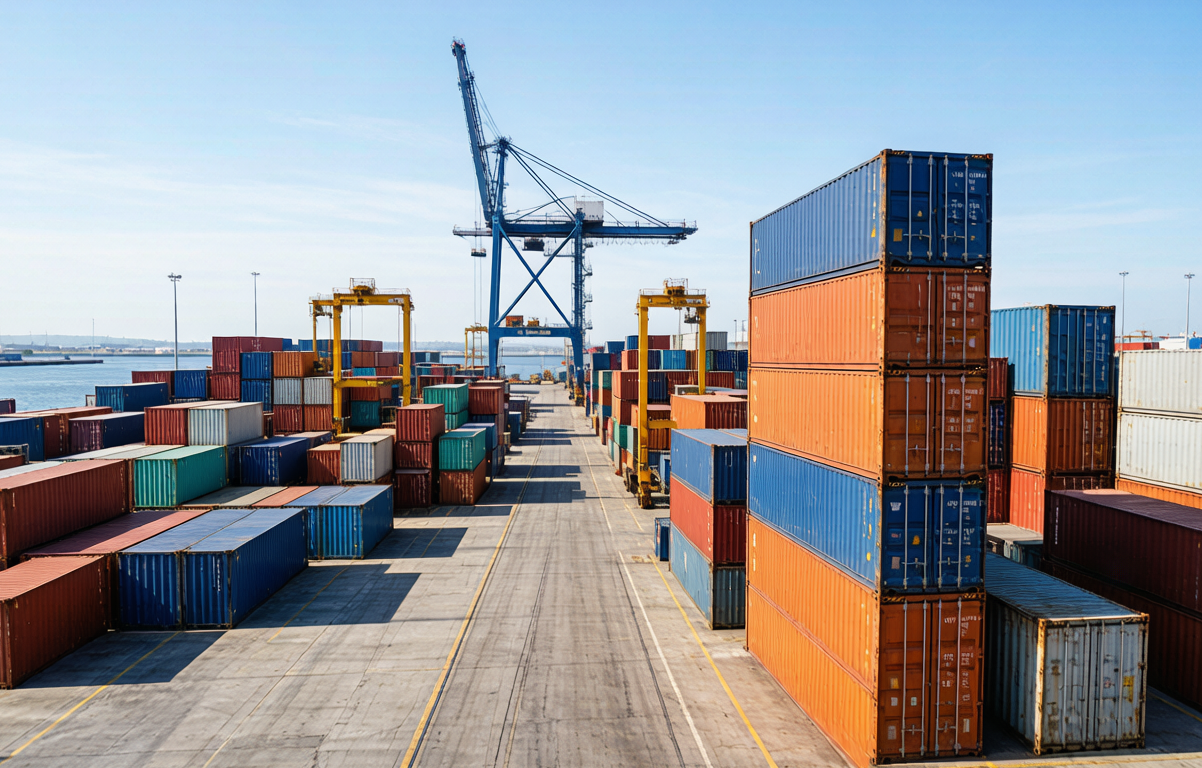
The honest summary: CIF is not a scam, but it is often a trap for an inexperienced buyer. The term is legitimate for commodities and for experienced importers who know exactly which destination charges will follow. For a young brand importing kids’ clothing for the first time, the gap between the CIF quote and the true landed cost is usually large enough to erase the “savings” that made CIF attractive.
6. FOB vs DDP for a Startup Brand and Amazon FBA Sellers
An established brand with a trusted forwarder should almost always buy FOB — it gives control of the freight and the cheapest honest landed cost. A startup or Amazon FBA seller with no forwarder may find DDP tempting for its all-in simplicity, but DDP into the US is logistically complex: be clear on who acts as importer of record and who holds the customs bond.
The right term depends on your stage and destination. Established brands buy FOB for control. If you import regularly, you already have a forwarder who negotiates better rates than a factory’s default carrier, handles clearance through your own broker, and knows your product’s import classification. Under FOB you direct that machine, see every cost line, and keep the importer-of-record responsibility in your own hands, where for a US brand it legally belongs anyway.
Startups and FBA sellers are drawn to DDP for simplicity. A first-time brand importing a small order of kids’ underwear often has no forwarder, no broker and no appetite for customs paperwork. DDP folds all of that into a single door-to-door price, which is genuinely valuable when you are trying to get a listing live. But DDP into the United States deserves an honest warning rather than a sales pitch.
There is a compliance angle specific to children’s apparel. Kids’ clothing entering the US is subject to children’s product safety requirements, and the importer of record is the party responsible for meeting them. When a brand accepts a DDP arrangement without understanding who is the importer of record, it can find itself legally accountable for a customs entry it never saw. This is why, for US-bound kids’ clothing, we generally recommend the brand remain the importer of record — which usually means FOB, or a door-delivery service where you are transparently listed as importer and simply use the seller’s logistics as a service.
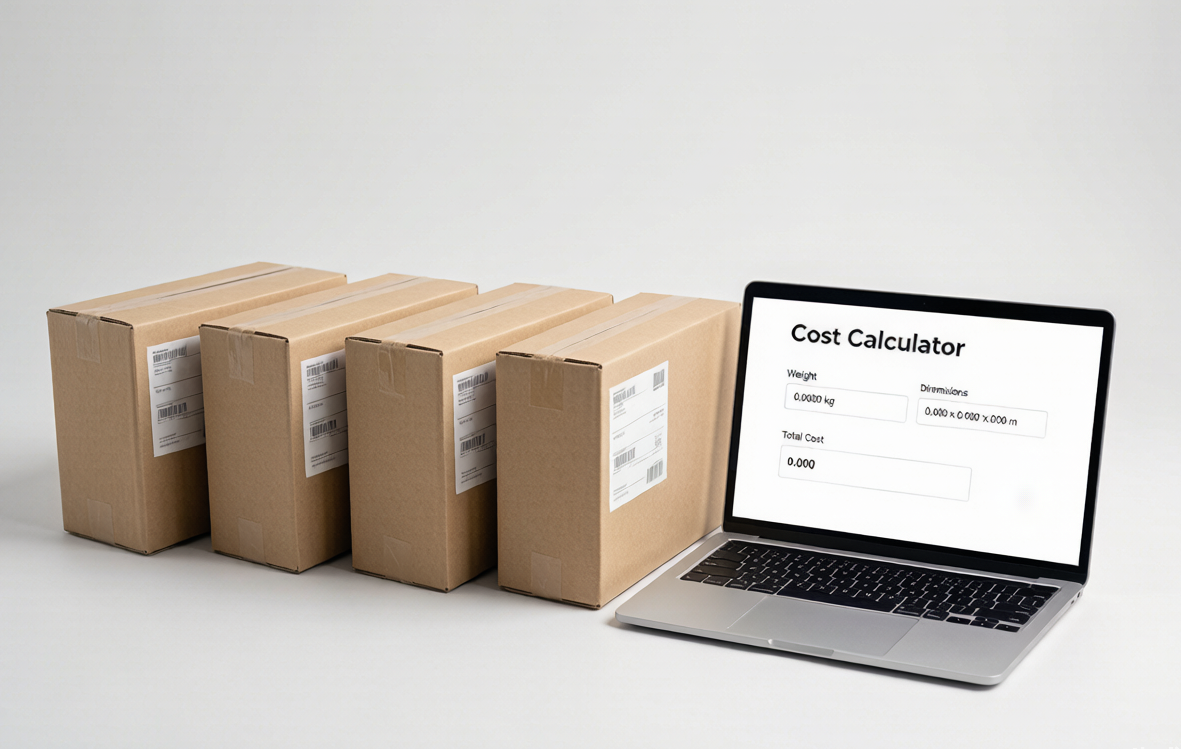
For Amazon FBA specifically, add one more layer: FBA requires delivery appointments, carton labelling and precise shipment preparation, and an Incoterm alone solves none of that. Whether you buy FOB or DDP, confirm your logistics partner understands FBA delivery requirements before the container moves, because a rejected delivery means storage fees while you fix the problem.
7. Which Incoterm to Use on Your First Order
For a first order of kids’ clothing, the safest default is FOB with a freight forwarder you chose yourself. It keeps you as the importer of record, gives control of the freight, and forces you to learn your landed cost early. Choose DDP only if you have no forwarder and accept that the convenience is priced in — and never choose CIF for a first order unless a forwarder has walked you through the destination charges in writing.
| Buyer profile | Recommended term | Why |
|---|---|---|
| Established brand with a forwarder | FOB | Control, negotiated rates, own broker, full cost visibility |
| First-time startup, no forwarder | FOB (with a forwarder you source) or DDP if truly hands-off | FOB forces the learning; DDP buys convenience at a premium |
| Amazon FBA seller, first shipment | FOB with an FBA-experienced forwarder | Keeps you as importer of record; forwarder handles FBA delivery |
| Price-sensitive, small trial order | FOB, and compare two forwarders | Avoids CIF’s hidden destination charges |
| Any buyer | Avoid CIF for first orders | Risk passes at origin, destination charges hit at the end |
The pattern is deliberate: FOB is the default, DDP is the exception, CIF is the one to avoid while you are learning. FOB is not the cheapest-looking quote, but it is the most honest one for a first order — it puts you in charge of the two things that otherwise become surprises (ocean freight and destination clearance) and keeps the importer-of-record responsibility where it belongs for a US brand.
If you are genuinely not ready to handle any of that, a reputable factory can support a DDP-style door delivery as a service, and there is no shame in using it for your first order while you build the relationships to switch to FOB later.
8. What to Confirm in Writing Before You Ship
Before any kids’ clothing shipment moves, get in writing: the exact Incoterm and named place, who is the importer of record, who pays destination clearance and duty, who holds the customs bond, which destination charges are included, and the free-time limits for demurrage and detention. A one-page shipping term sheet prevents most disputes before they start.
- The exact Incoterm and named place. “FOB Shenzhen” and “DDP Los Angeles” are precise; “FOB” by itself is not. The named place defines where responsibility changes hands.
- Who is the importer of record. For US-bound goods, confirm in writing which legal entity appears on the customs entry. For a US brand, that should normally be you.
- Who pays destination clearance and duty. Under FOB and CIF this is you; under DDP it is the seller. Confirm the number is in the right column of your quote.
- Who holds the customs bond. If the seller is arranging US clearance, ask whose bond covers the entry and who is liable for errors.
- Which destination charges are included. THC, documentation, container cleaning, and any origin or destination surcharges — list them, marked included or excluded.
- Free time, demurrage and detention. Confirm the free days at the terminal and who is responsible for acting before they expire.
- Incoterms edition. State “Incoterms 2020” so both parties reference the same rule set.
From the manufacturer’s side, this level of clarity is welcome, not awkward. A factory that ships kids’ clothing regularly wants the paperwork unambiguous as much as you do, because ambiguity is what turns a routine delivery into a dispute. When you work with Nuohua Garment, we are happy to confirm the term, the named place and the cost split in writing before your order is sealed — so both sides know exactly where responsibility begins and ends.
The broader lesson of the fob vs ddp vs cif kids clothing decision is that the “best” term is not a fixed answer; it is a function of your stage, your destination and how much of the process you are ready to own. Start with FOB and a forwarder you trust, move to a door-delivery service only when convenience genuinely outweighs control, and keep CIF for the day you can read a destination-charge schedule without flinching.
Planning your first kids’ clothing order? Tell us your destination and order size, and our team will confirm the recommended Incoterm, named place and a transparent cost split — in writing — before anything ships.