
Premiumization in Kids’ Apparel: What B2B Buyers Should Change Before the Next Season
Premiumization in kids’ apparel is not a marketing trend. It is a specification decision — and it changes what buyers have to approve, test and pay for long before a product reaches a shelf.
For a brand or importer, premiumization is most usefully understood as a shift in where risk sits. When a range is smaller and each style carries more revenue, the cost of a weak specification rises: a shrinkage problem, an unapproved trim or a shade difference across colours does more damage on a hero style than it ever did across a wide, cheap assortment.
1. What “premium” actually means at the sourcing level
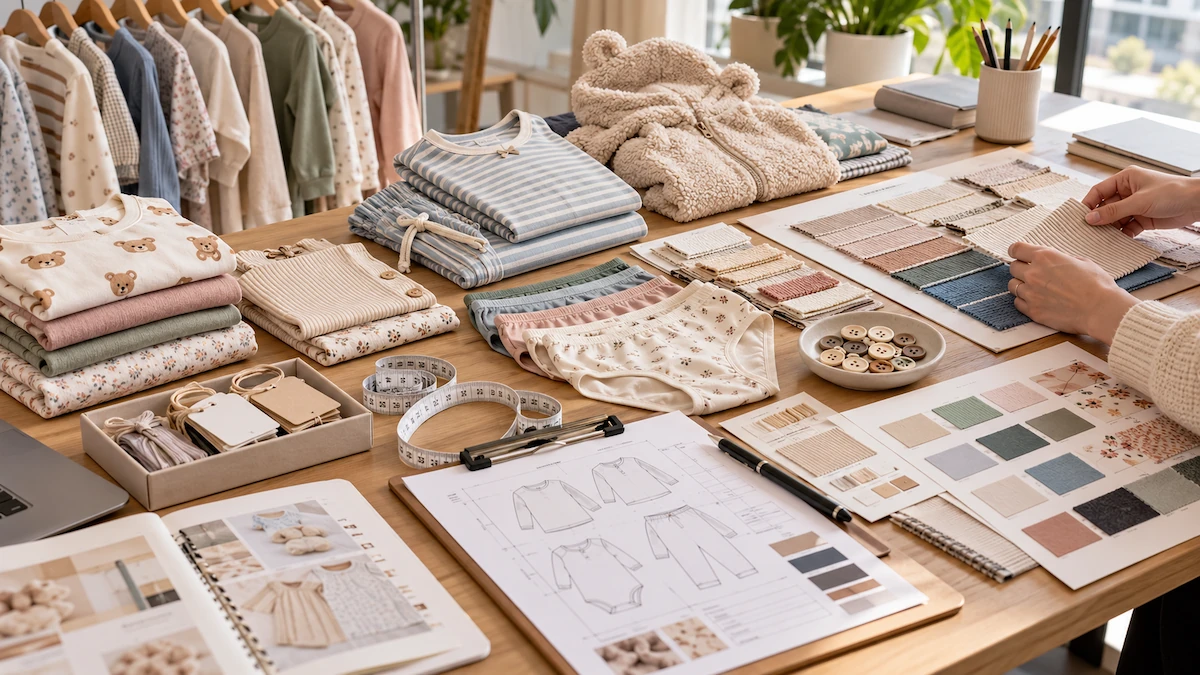
In B2B terms, premium is not one attribute. It is a stack of decisions, and each one has a production consequence:
- Fabric — a higher yarn count, a denser knit or a softer blend. It changes GSM, opacity, drape and the price per metre.
- Finish — the surface, the hand feel and how the garment survives washing.
- Construction — flat seams, covered seams, cleaner edges and better recovery at the openings.
- Trims and hardware — elastic quality, drawcords, fastenings and their finish.
- Labelling and packaging — printed or tag-free labels, retail-ready packing, presentation that supports the price.
Upgrading fabric and upgrading finishing are not the same purchase. Buyers often approve a better fabric and then keep the original construction and trims, which is where the perceived quality gain disappears. The material side of this is covered in more depth in our guide to building a fabric shortlist.
2. Where the cost actually goes
Premiumization usually fails on cost modelling rather than on sourcing. The table below is the sequence buyers should model before committing to an upgrade, because the cost order is rarely the order people expect.
| Upgrade | What it changes on the line | What it does to the order |
|---|---|---|
| Fabric upgrade | Fabric sourcing, GSM, shrinkage behaviour and cutting | Raises material cost and often the minimum the mill will run |
| Construction upgrade | Added operations at seam, edge and opening | Raises labour content and sampling rounds |
| Trim and hardware upgrade | Specification, testing and often a longer lead time | Can add minimum-order pressure from the trim supplier |
| Label and packaging upgrade | Artwork, print method, packing operations | Small per-unit cost, but delays if artwork arrives late |
| Colour extension | Dyeing or separate knit lots per colour | Multiplies the quantity needed to hit a workable minimum |
That last row is the one buyers most often miss. Adding two colours to a premium style can double the minimum quantity required before a single unit is sold — which is why colour strategy belongs in the sourcing conversation, not only in the design review.
3. Premium is proved in the specification
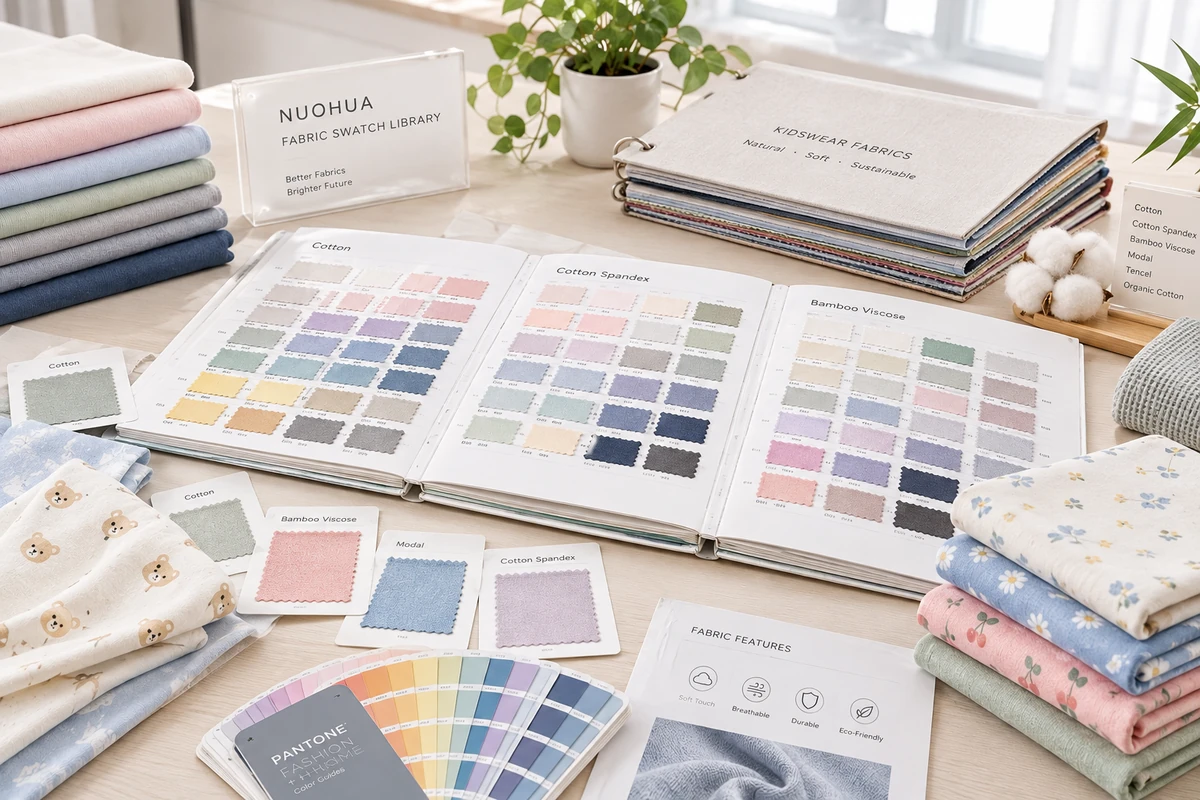
A premium claim that cannot be documented is a liability. Before approving an upgrade, buyers should be able to answer four questions in writing:
- What is the exact fibre composition, including elastane percentage and the fibre source if a material claim is being made?
- What are the performance figures — GSM, shrinkage after the intended wash cycle, colourfastness and stretch recovery?
- Which documents support the claim, and does the documentation cover this material, this product and this order?
- What is the approved standard — Pantone reference or signed physical swatch, with a tolerance for bulk?
Where claims touch material sustainability, the wording on the product page has to match what the documentation actually says. If a claim cannot be traced to a document that covers the material and the order, it should not appear in the listing.
4. Smaller runs, higher stakes
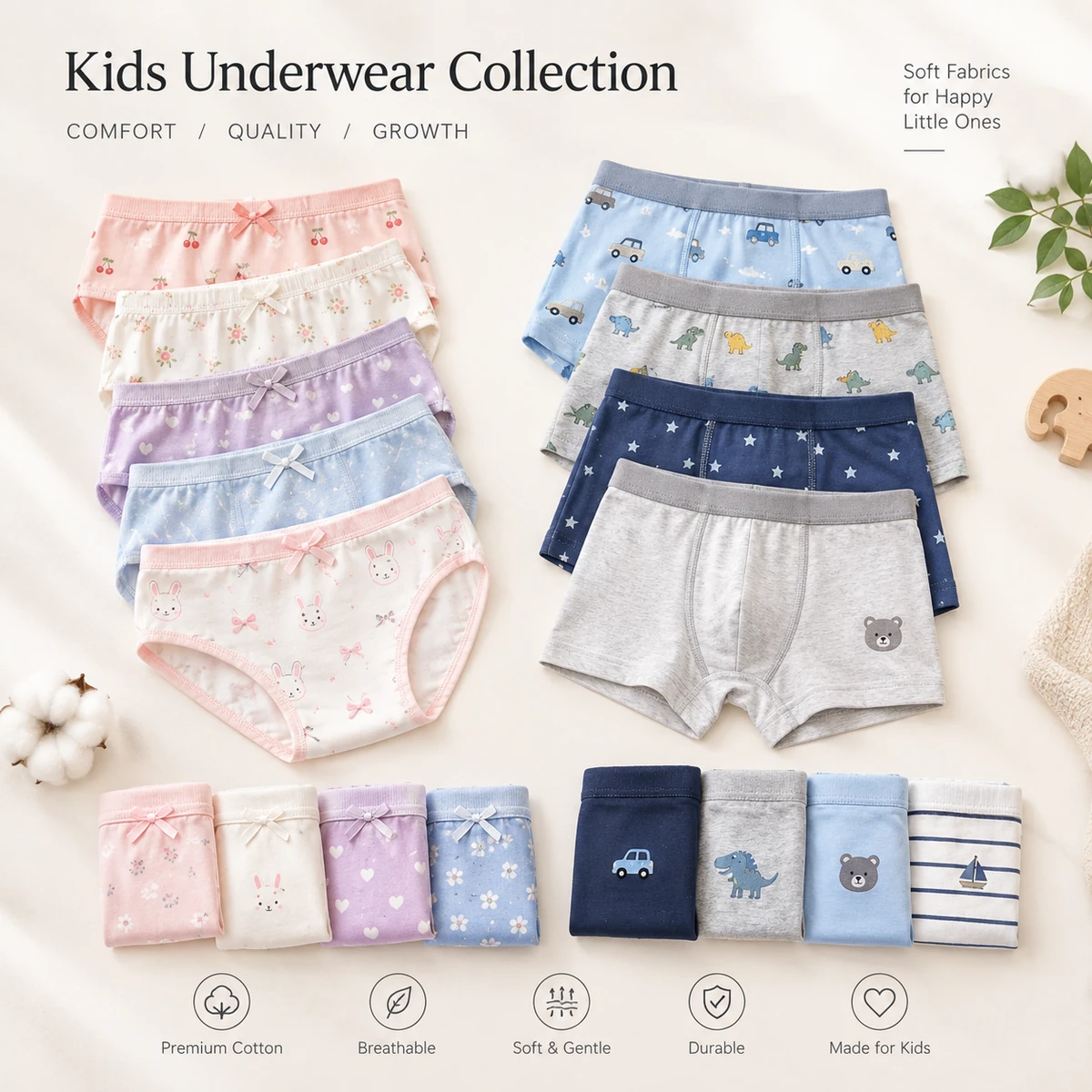
Premium ranges are usually tested in smaller quantities, which puts the MOQ structure under more pressure, not less. The practical question is which basis the minimum applies to: per style, per colour, per print or per fabric.
- Ready stock — from 2 pcs on selected in-stock styles, colors and sizes, with styles and colours mixed in one order.
- Selected low-MOQ custom styles — from 150–300 pcs per color on selected styles, depending on fabric, size range and customization requirements.
- Existing underwear styles with existing prints — typically from 1,000 pcs per style and color, with mixed sizes available.
- Fully custom development — new artwork, new fabric, custom dyeing or a new construction is confirmed after a specification review, and custom fabric or dyeing is quoted separately.
On a premium programme, testing on the ready-stock route and scaling on the custom route is often cheaper than launching custom from the start. Our low-MOQ production routes set out how the two are structured.
5. Compliance is part of the premium promise
Buyers marketing a higher price point are held to a higher standard of evidence. In China, children’s apparel for skin contact is developed to GB 31701 Class A. For the US market, children’s products subject to an applicable children’s product safety rule generally require third-party testing by a CPSC-accepted laboratory, with certification through a Children’s Product Certificate (CPC) issued by the domestic manufacturer or the importer — not by the laboratory. Testing is arranged through qualified laboratories such as SGS, TÜV SÜD or Intertek. OEKO-TEX Standard 100 certification is currently in progress at Nuohua, and we do not present it as completed.
Market-by-market requirements, including labelling and chemical restrictions, are collected in our compliance checklist.
6. What buyers should change in the next buying cycle
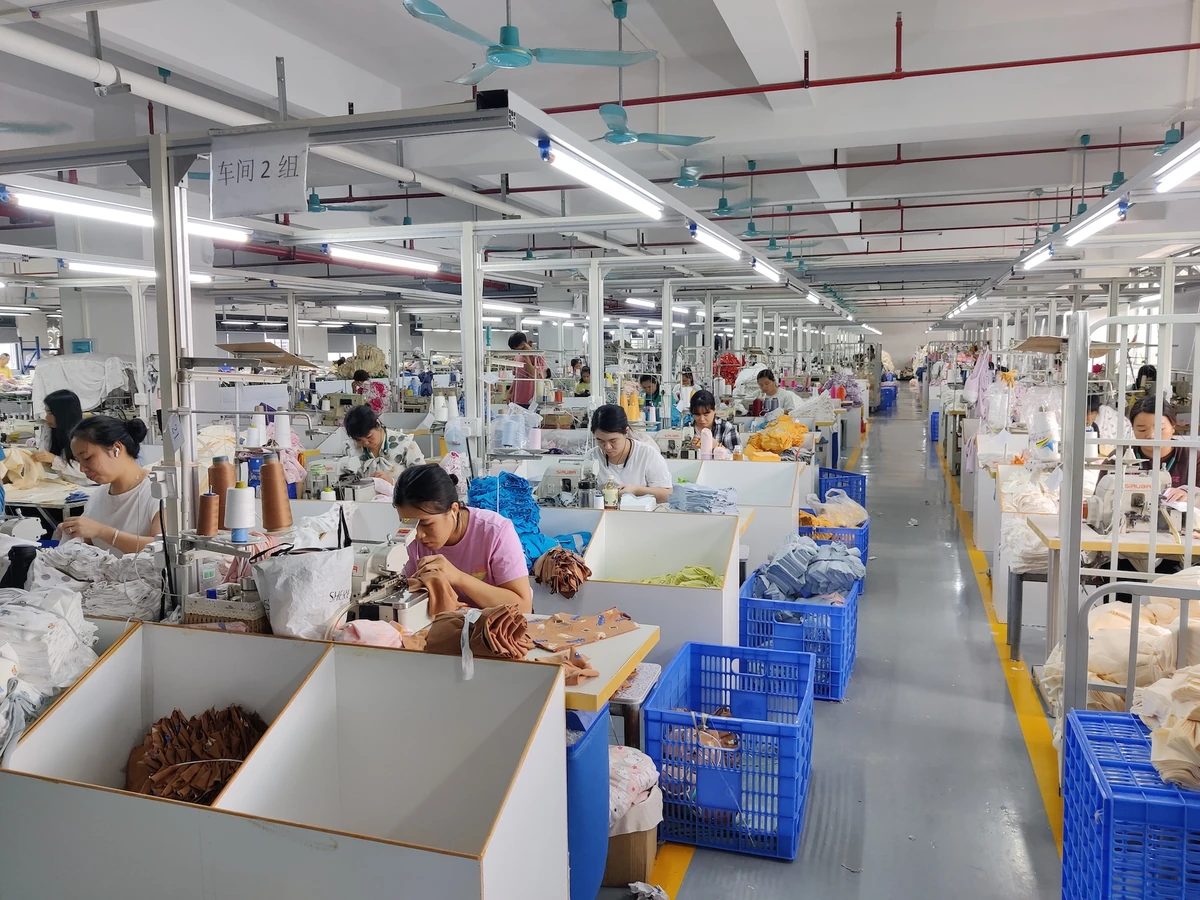
Six changes worth making before the next season
- Model the upgrade in cost order. Price fabric, construction, trims, packaging and colour extension separately before deciding what to keep.
- Write the performance figures into the tech pack. Composition, GSM, shrinkage, colourfastness and recovery belong in the document, not in an email thread.
- Choose the route before the colour count. Add colours only after confirming the minimum quantity the route can support.
- Approve a PP sample as a specification. Fabric, colour, measurements, construction, trims, labels and packing locked — the bulk order is measured against it, not against the first sample.
- Define QC tolerances in advance. Measurement tolerances per size and defect classification prevent subjective arguments at final inspection.
- Match every claim to a document. If the paperwork does not cover the material, the product and the order, drop the claim.
Frequently asked questions
Does premiumization mean higher MOQ?
Not automatically, but it usually means less flexibility. Better fabric and added colours raise the minimum the supply chain will run, so the route matters more than the unit price.
Which upgrade gives the biggest perceived gain for the cost?
Usually the finish and the construction rather than the fibre name — a garment that keeps its shape and colour after repeated washing reads as premium regardless of the label on the fabric.
Can a premium range launch on ready stock first?
Yes, and it is often the lower-risk route. Selected in-stock styles start from 2 pcs on selected in-stock styles, colors and sizes, which lets a buyer validate demand before committing to custom development.
How do we support a material claim on a product page?
Only with documentation that covers the specific material and the specific order. Where a certification is in progress rather than complete, say so plainly — buyers and marketplaces check.
When should the factory receive the brief?
Earlier than most buyers plan. Launch timing is set by the approval date, not by how quickly the line can run.
Nuohua’s manufacturing view
We have been manufacturing children’s underwear and sleepwear since 2016. Two observations from the production side:
- Premium is won in the specification, not the price. The upgrade buyers notice is the one that survives washing.
- Colour count is a sourcing decision. It sets the minimum quantity before anything else in the range does.
Related products
Explore manufacturing solutions
Planning a premium kidswear range?
Send your tech pack, reference sample or product brief with your target market, quantity and size range. We will come back with the fabric options, construction notes and MOQ route that fit the project.
More sourcing guides: Kids Underwear & Sleepwear Sourcing Guide · Kids clothing brand startup cost and MOQ breakdown
Regulatory note: This article is provided for general informational purposes and does not constitute legal, regulatory, compliance or product-testing advice. Requirements vary by market, product category, age range, construction, labelling and intended use. MOQ ranges and process descriptions reflect Nuohua’s own production routes and project experience; final feasibility depends on product category, fabric, trim, construction, testing scope and order structure.