
Launching a kidswear label is exciting — until the first shipment arrives with inconsistent sizing, a fabric that irritates skin, or a certification file that simply does not exist. For a boutique brand, one bad production run is not a write-off line on a spreadsheet. It is a recall risk, a lost season, and a trust gap with the parents who bought your label for their children.
Large fashion houses have entire sourcing teams and audit budgets. Boutique founders do not. But you do not need a 40-person compliance department to vet a factory properly — you need a clear framework and the discipline to walk away when a “red flag” appears. This guide breaks the supplier-selection process into eight scoreable dimensions, shows you exactly what “good” looks like at each stage, and gives you comparison tables you can reuse on every factory you talk to.
Everything below is written from the buyer’s chair, but it also reflects how a transparent manufacturer like Nuohua Garment actually operates — so you can benchmark any supplier you meet against a concrete standard.
Not yet at the factory-audit stage? Start with our step-by-step guide to finding and shortlisting a kids’ underwear manufacturer in China — it covers supplier types, sourcing clusters, and the first-pass red flags to screen before you request a quote.
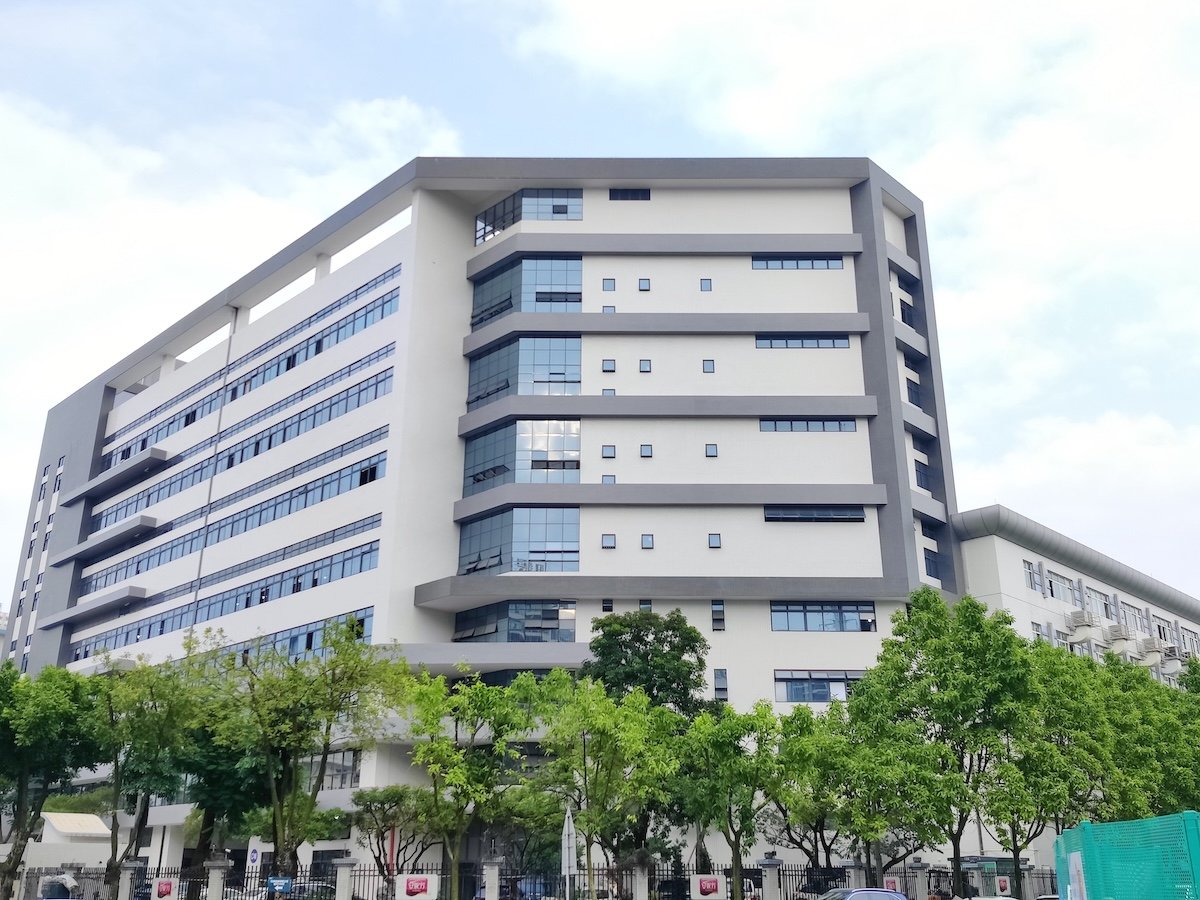
Table of Contents
- What Criteria Do Kidswear Brands Use to Evaluate Manufacturers?
- Production capacity and scalability
- Fabric and material handling
- Sampling accuracy and development precision
- Quality control and defect management
- Production consistency across bulk orders
- Compliance, certifications, and audit readiness
- Pricing structure and cost transparency
- Communication efficiency and project control
- How Do Brands Assess Sampling and Development Capability?
- What Role Does Production Consistency Play in Supplier Selection?
- How Do Kidswear Brands Evaluate Communication and Project Management?
- What Makes a Manufacturer Qualified for Long-Term Partnership?
- The Vetting Scorecard: Questions to Ask Before You Sign
- Conclusion
What Criteria Do Kidswear Brands Use to Evaluate Manufacturers?
Before you ask for a single quote, decide what “qualified” means for your brand. Most founders jump straight to price; experienced buyers score a factory across eight dimensions and let the total picture decide. Kidswear adds weight to two of them — compliance and production consistency — because the end user is a child.
Production capacity and scalability
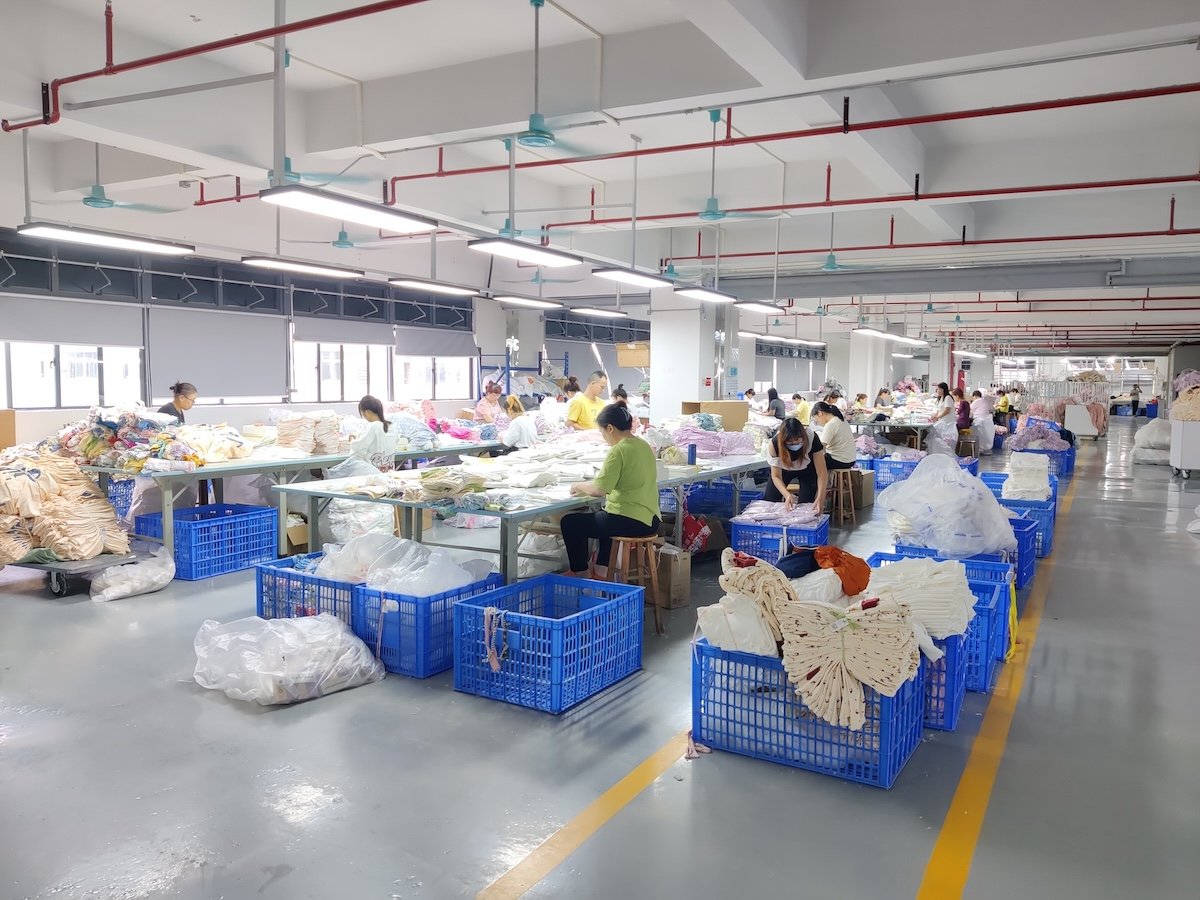
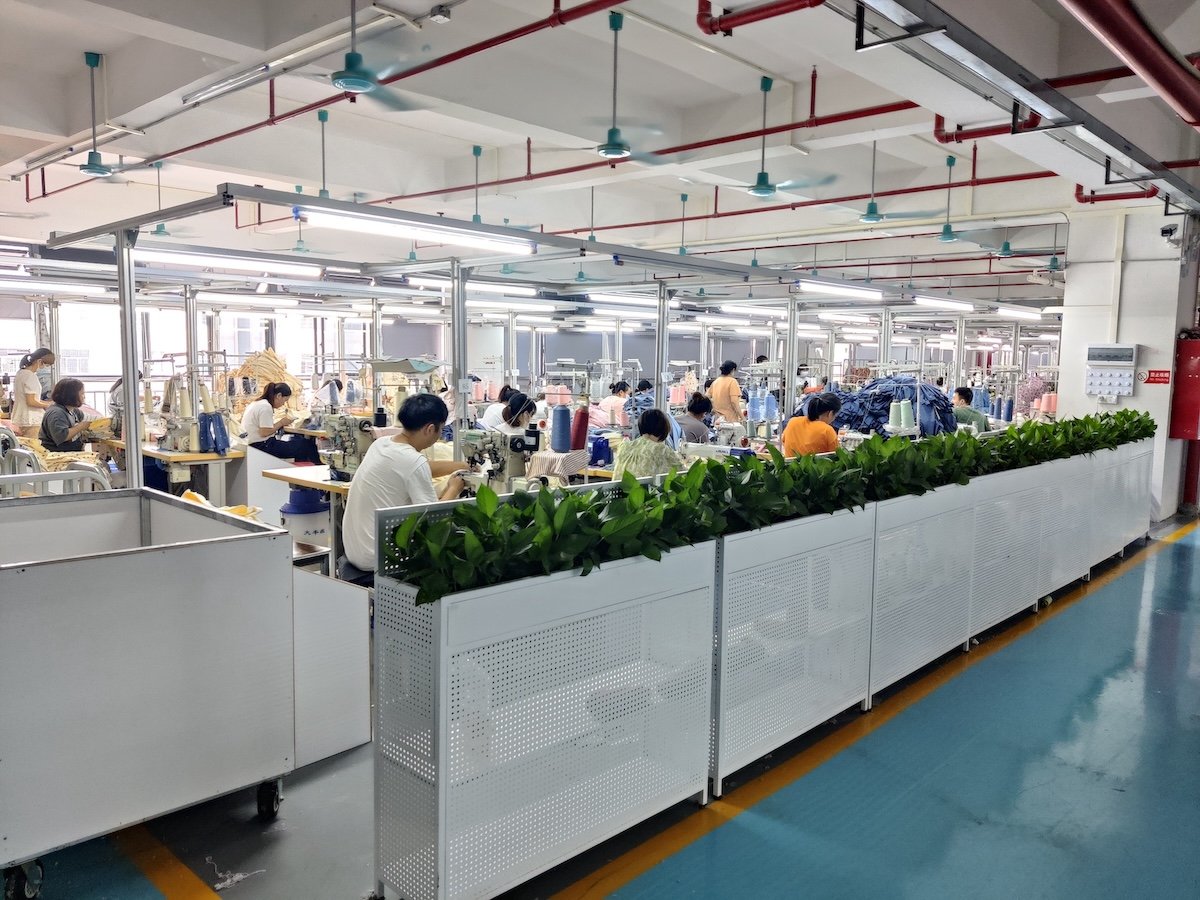
A boutique’s first order might be 2 pcs per selected in-stock style. Your third season might be 20,000. The right partner scales with you instead of choking at growth or ignoring you at small volume. Ask for monthly output, not just “we can do your order.” A transparent answer sounds like a number with context: “We run 1,000,000+ pieces per month across underwear and sleepwear lines, with dedicated low-MOQ lanes for emerging brands.”
| Order size (per season) | Best-fit model | What you should expect |
|---|---|---|
| 2 pcs on selected in-stock styles, colors and sizes | Low-MOQ private label | Fully customized, fast sampling, no minimum-program overhead |
| 500–5,000 pcs | Growing-brand line | Stable repeat runs, locked colorways, predictable lead times |
| 5,000–50,000 pcs | Scaling program | Dedicated sewing line, buffer inventory, QC reporting |
| 50,000+ pcs | Volume program | 1M+/month capacity, multi-style planning, VMI options |
Fabric and material handling
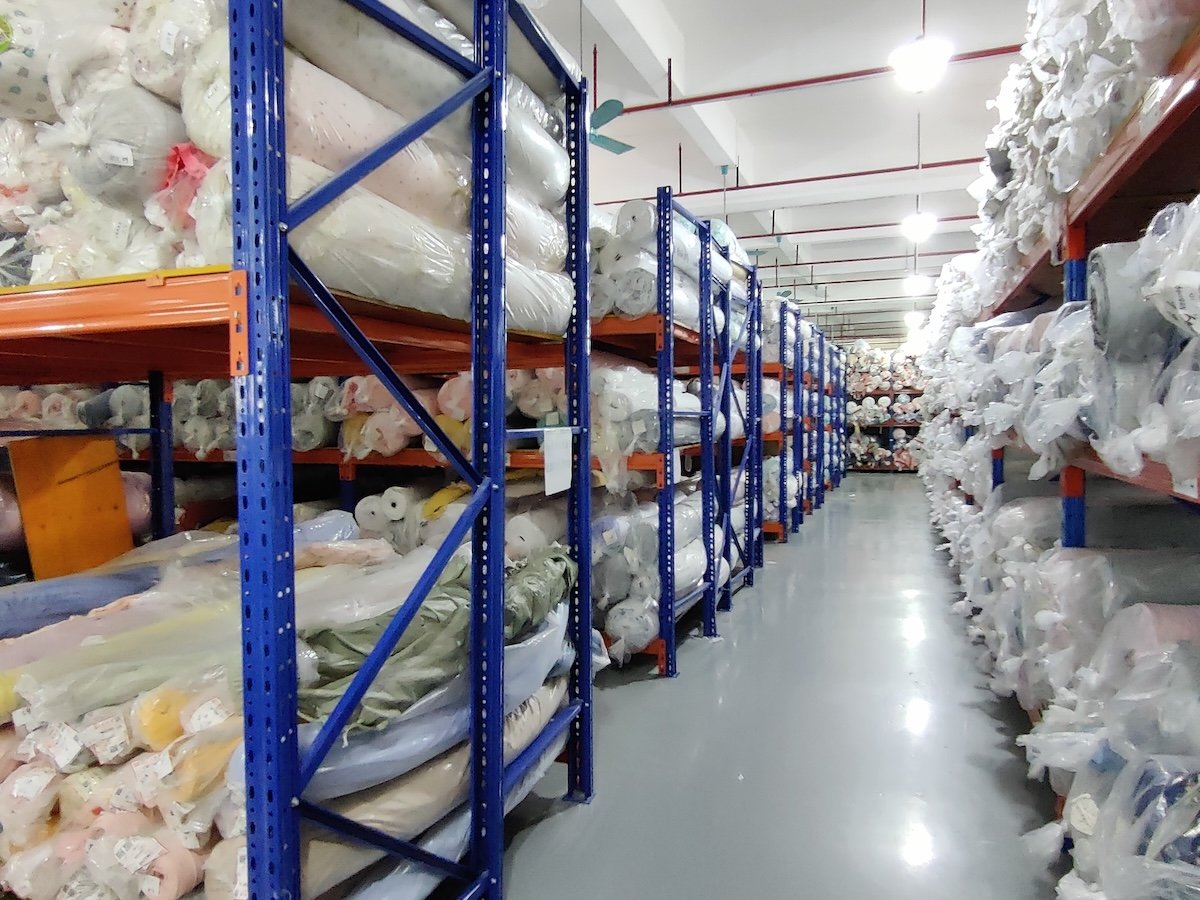
Children’s skin is thinner and more reactive than adults’. The fabric conversation for kidswear is therefore a safety conversation. Look for a mill/factory that controls its fabric library, can custom-dye to Pantone, and — critically — can document that every fabric meets an infant/children’s safety class. At Nuohua, every body fabric is specified to GB 31701 Class A (China’s strictest children’s textile safety class) and screened for harmful substances.
Sampling accuracy and development precision
A factory can quote cheaply and still miss your fit by two centimeters. Sampling accuracy is the single best predictor of bulk happiness. Judge it on three things: does the factory develop faithfully from your tech pack or reference image, do revisions come back fast, and does the fit match the measurement spec you approved? If a supplier’s first sample is “close enough,” bulk will be “not quite.”
Quality control and defect management
Ask the uncomfortable question directly: “What is your bulk defect rate, and how do you measure it?” A professional answer cites a system, not a feeling — e.g., a 6-step in-line and final inspection with needle detection, targeting under 0.3% defective. A vague “we check everything” is a red flag. We cover the exact checkpoints in Section 3.
Production consistency across bulk orders
The sample was perfect; the 500-piece run shrank, the color drifted, the seam flipped. Consistency is where small factories quietly fail. Probe for batch-control discipline: how do they hold color and fabric lots, how do they grade sizes, and do they run a pilot batch before mass production?
Compliance, certifications, and audit readiness
For kidswear this is non-negotiable. A children’s product shipped to the US needs a CPC (Children’s Product Certificate) under CPSIA; the EU and many retailers demand documented chemical safety; and in China the applicable standard is GB 31701 Class A for infants and younger children. Demand the actual documents — not a promise.
| Certification / Standard | What it proves | Status to expect from a qualified partner |
|---|---|---|
| CPC (Children’s Product Certificate) | US CPSIA compliance for children’s products | Held and issued per shipment |
| GB 31701 Class A | China infant/children A-class textile safety | Held (applies to body fabrics) |
| SGS testing | Independent third-party material safety verification | Held |
| TÜV SÜD | Independent safety and process audit | Held |
| Intertek | Independent quality-assurance audit | Held |
| OEKO-TEX Standard 100 | Harmful-substance screening of textiles | In progress (do not claim “certified” yet) |
Pricing structure and cost transparency
Cheap is not the same as good value. A transparent quote itemizes fabric, trims, labor, private-label packaging, and testing — and explains how volume moves the number. Watch for “all-in” prices that hide the cost of the certification testing you legally need. Ask what is included and what is extra before you compare two factories.
Communication efficiency and project control
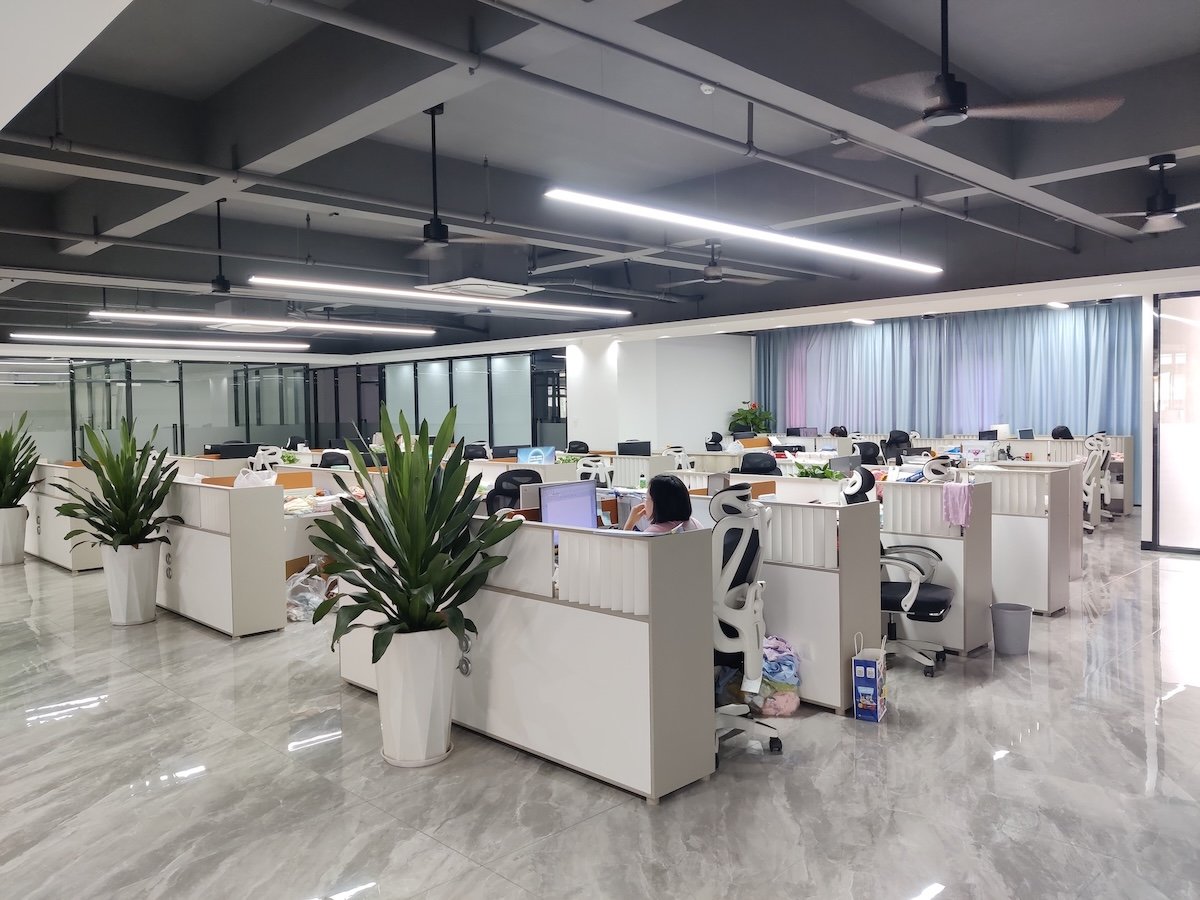
You will exchange dozens of messages per style. A partner who replies in 48 hours during sales and vanishes in production will cost you a launch date. Gauge response discipline early: do they answer technical questions precisely, confirm details in writing, and give you a realistic quote window (a qualified low-MOQ partner typically returns a quote within 24 hours)?
How Do Brands Assess Sampling and Development Capability?
Sampling is the factory’s audition. It reveals whether they can read your intent, protect your fit, and move at your speed. Score it on seven signals.
- Develops from any input. Sketch, reference photo, or full tech pack — a capable partner works from all three and tells you which gives the cleanest result.
- Sampling speed. For a boutique, a 7–10 day first sample is normal; a high-response factory returns it in 5–7.
- Revision efficiency. Fit rarely lands on attempt one. Fast pattern adjustment (1–3 days per cycle) keeps you on schedule.
- Fit validation. Kids’ bodies change fast between sizes; ask how they validate grading across the size range, not just the sample size.
- Fabric behavior testing. Do they wash-test and stretch-test the actual body fabric before bulk, so pilling or shrinkage shows up on a sample, not on a customer?
- Communication clarity. Written confirmations of measurements, construction, and labels prevent “that’s not what I meant” at bulk.
- Sampling success rate. A mature line targets approval within two revisions; ask for their typical number.
| Development stage | Typical boutique brand | High-response factory |
|---|---|---|
| First sample from tech pack | 7–10 days | 5–7 days |
| Fit revision cycle | 3–5 days | 1–3 days |
| Pre-production pilot (50–100 pcs) | 10–14 days | 7–10 days |
If you want to arrive with a sample-ready brief, our guide on building a tech pack for kids’ underwear & sleepwear walks through the seven modules factories actually need.
What Role Does Production Consistency Play in Supplier Selection?
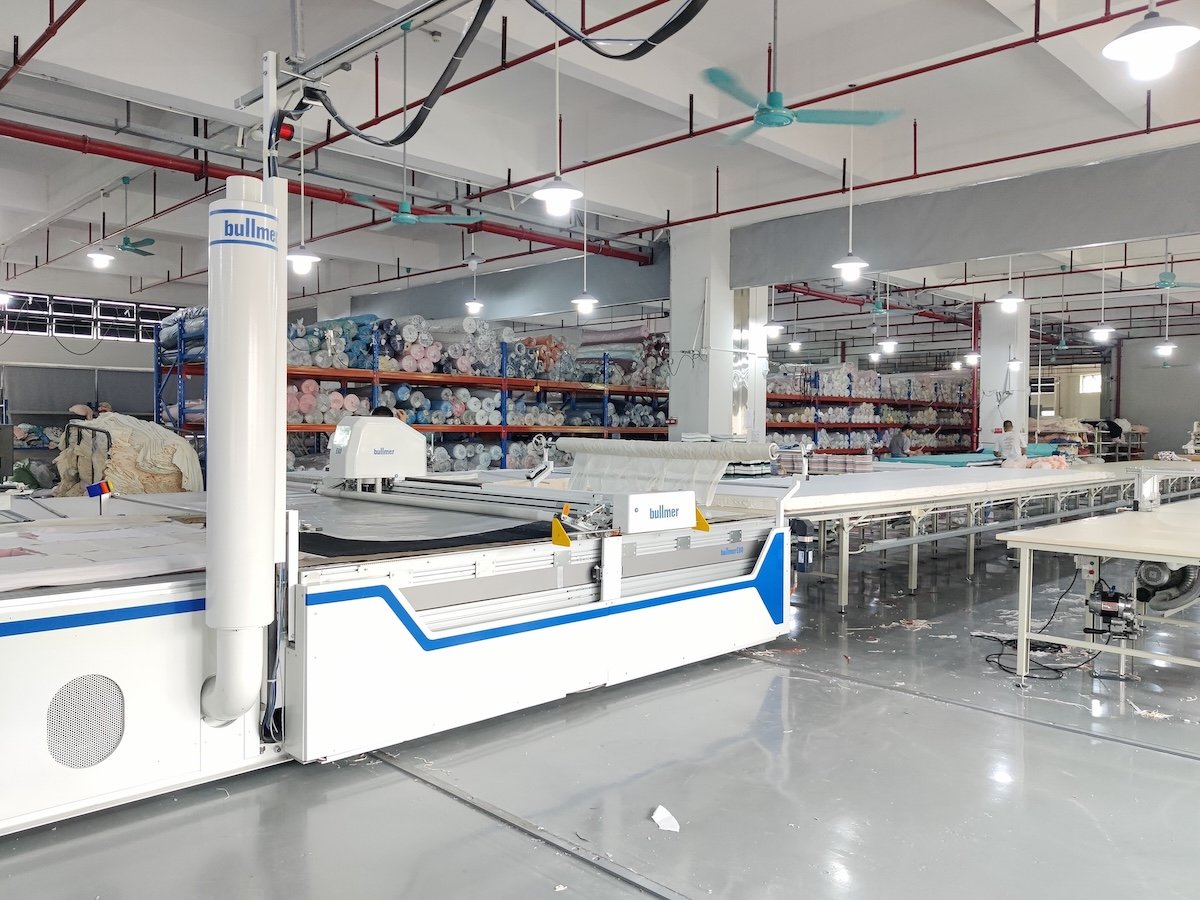
A beautiful sample is easy. Five hundred identical, safe, on-spec garments is the real test. Consistency is why brands stay with a factory for years — and why “cheap sample, bad bulk” is the most common boutique horror story.
Probe these six controls:
- Bulk repeatability — can they reproduce the approved sample at 10× volume without drift?
- Defect-rate control — a documented target (under 0.3%) with AQL-based final inspection.
- Size-grading accuracy — children’s multi-size runs must hold fit across the range, not just the middle size.
- Fabric & color batch uniformity — one dyelot per program, with Pantone-matched records.
- Pilot-run validation — a 50–100 piece pre-production run signed off before mass cutting.
- Needle & metal detection — 100% pass on children’s garments, every carton.
| Step | Check | Standard |
|---|---|---|
| 1 · Incoming fabric | A-class, skin-safe, on-spec | GB 31701 Class A; SGS screen |
| 2 · Cutting | No mixed layers, accurate markers | ±2 mm tolerance |
| 3 · Sewing / bonding | Seamless or boneless finish | No skin irritation; no sharp edges |
| 4 · Needle detection | Metal check on every piece | 100% pass |
| 5 · Final inspection | AQL 2.5 lot check | <0.3% defective |
| 6 · Packaging | Private label, hangtag, bag correct | Per purchase order |
How Do Kidswear Brands Evaluate Communication and Project Management?
Small brands live or die on response time. You are not a priority account at a 1M-piece factory by default — so judge whether they make you one through process, not promises.
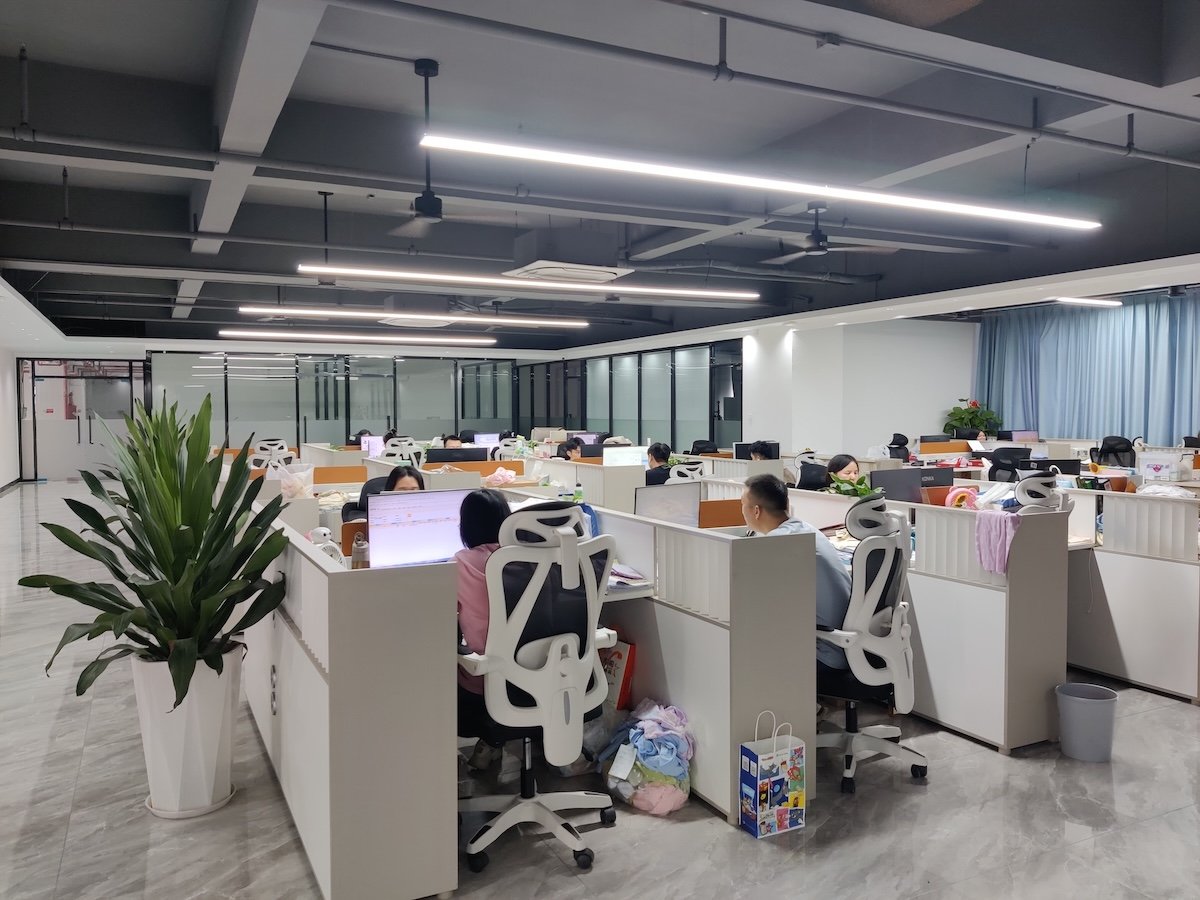
- Response discipline. Same-day or next-day replies during active development; written summaries of every call.
- Production transparency. Can you see cut date, sew start, and QC pass without chasing? A partner with a tracked workflow shows it unprompted.
- Multi-style management. If you launch 6 SKUs, can one coordinator own all of them so nothing falls between chairs?
- Documentation accuracy. Measurement specs, labels, and POs are confirmed in writing — no “we remembered.”
- Risk communication. When a fabric is late or a trim is discontinued, do they tell you early with options, or the week of shipment?
- Digital tracking. A shared sheet or portal beats “I’ll ask the floor” every time.
What Makes a Manufacturer Qualified for Long-Term Partnership?
A one-off order and a ten-season relationship are different vetting bars. For the long term, weight these:
- Scales with you. Comfortable at 100 pcs and still capacity-strong at 50,000.
- Repeat-order memory. They keep your patterns, graded specs, and color recipes on file, so reorder #4 matches reorder #1.
- Supply-chain stability. Controlled fabric sourcing means a cotton shortage does not silently change your handfeel.
- Flexibility. Can absorb a mid-season style swap without a meltdown?
- Cross-season quality. Consistency in July and December, not just on the debut run.
- Cost stability. Transparent, explainable price movement — never silent increases.
The Vetting Scorecard: Questions to Ask Before You Sign
Turn the eight dimensions into a reusable scorecard. Below is the exact table we hand to new brands — copy it into your notebook and score every factory 1–5.
| Area | Ask the factory | Green signal | Red flag |
|---|---|---|---|
| Certifications | Can you show CPC / GB 31701 Class A? | Documents on file, per-shipment | Vague, “trust us,” or unverifiable |
| MOQ | Lowest per style / color? | 100 pcs, flexible sampling | 500+ only, no exceptions |
| Capacity | Monthly output? | 1,000,000+ pcs, with context | Unclear or evasive |
| Sampling | Sample lead time? | ≤ 7 days | > 2 weeks, no reason |
| Quote | Quote turnaround? | ≤ 24 hours, itemized | Days, or “all-in” only |
| Defect rate | Bulk defect rate? | < 0.3% with needle check | No data, or “we check all” |
| Communication | Who owns my project? | Named coordinator, written recaps | Rotates, no paper trail |
Conclusion
Vetting an OEM/ODM partner is not about finding the cheapest quote. It is about de-risking the one thing a boutique kidswear brand cannot afford: a product that reaches a child and fails. Score every factory on capacity, fabric control, sampling precision, QC discipline, consistency, compliance, pricing transparency, and communication — and let the pattern, not the pitch, decide.
If you want to see what a transparent, low-MOQ kidswear partner looks like in practice, explore our manufacturing facility, or start with a sample-ready tech pack. The right factory will make the scorecard feel obvious — because they have nothing to hide.