You have found a factory, agreed on a price, and you are excited to see your brand come to life. Then the manufacturer replies: “Great — please confirm the final sample, the tech pack, the color standards, the labels, and send the signed PO with deposit, and we will schedule bulk.” Suddenly a project that felt finished has a checklist attached to it.
That checklist is not bureaucracy. It is the difference between a bulk run that matches your vision and one that arrives wrong, late, or non-compliant. Everything a good OEM asks for before production exists to lock down exactly what will be made, so there are no expensive surprises across thousands of pieces. This guide walks through the eight things a kids’ underwear OEM needs from your brand before the first bulk cut — and why each one protects you.
Quick Answer
Before a kids’ underwear OEM starts production, your brand must sign off on eight things: (1) an approved pre-production sample, (2) a finalized tech pack, (3) confirmed fabric and GSM, (4) approved color/lab-dip standards, (5) a locked size spec and grading, (6) final labeling and packaging artwork, (7) compliance and testing agreement for your market, and (8) a signed purchase order with deposit. Once these are confirmed, the factory can buy materials and schedule bulk with confidence.
1. Approved Pre-Production Sample
The single most important sign-off is a physical pre-production (PP) sample that you have held, washed, and approved. This sample becomes the reference standard the entire bulk run is measured against. Approving it means you accept the fit, hand feel, seam construction, and finishing exactly as shown. Never approve bulk from photos alone.
2. Finalized Tech Pack
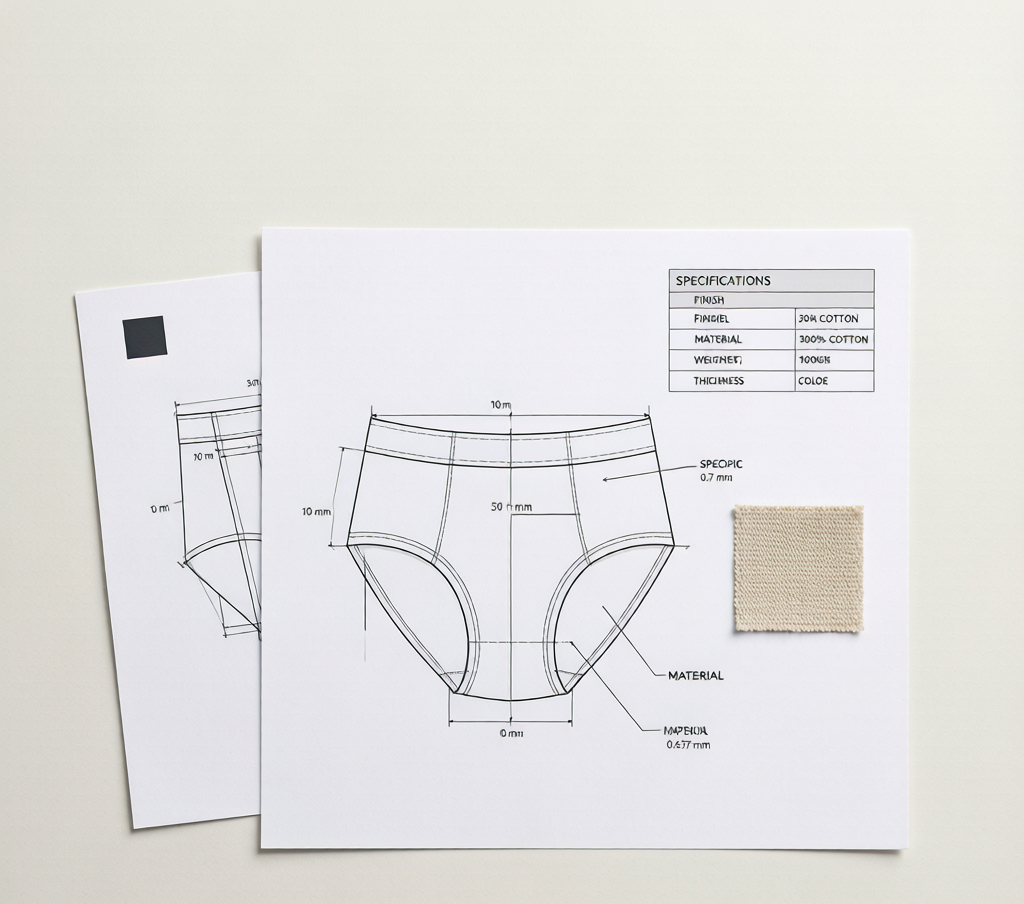
The tech pack is the master specification: measurements, tolerances, materials, seams, and construction notes. Before production it must be final and version-controlled, so the factory and your brand are working from the same document. If you are still refining yours, see how to build a tech pack for kids’ underwear and sleepwear.
3. Confirmed Fabric and GSM
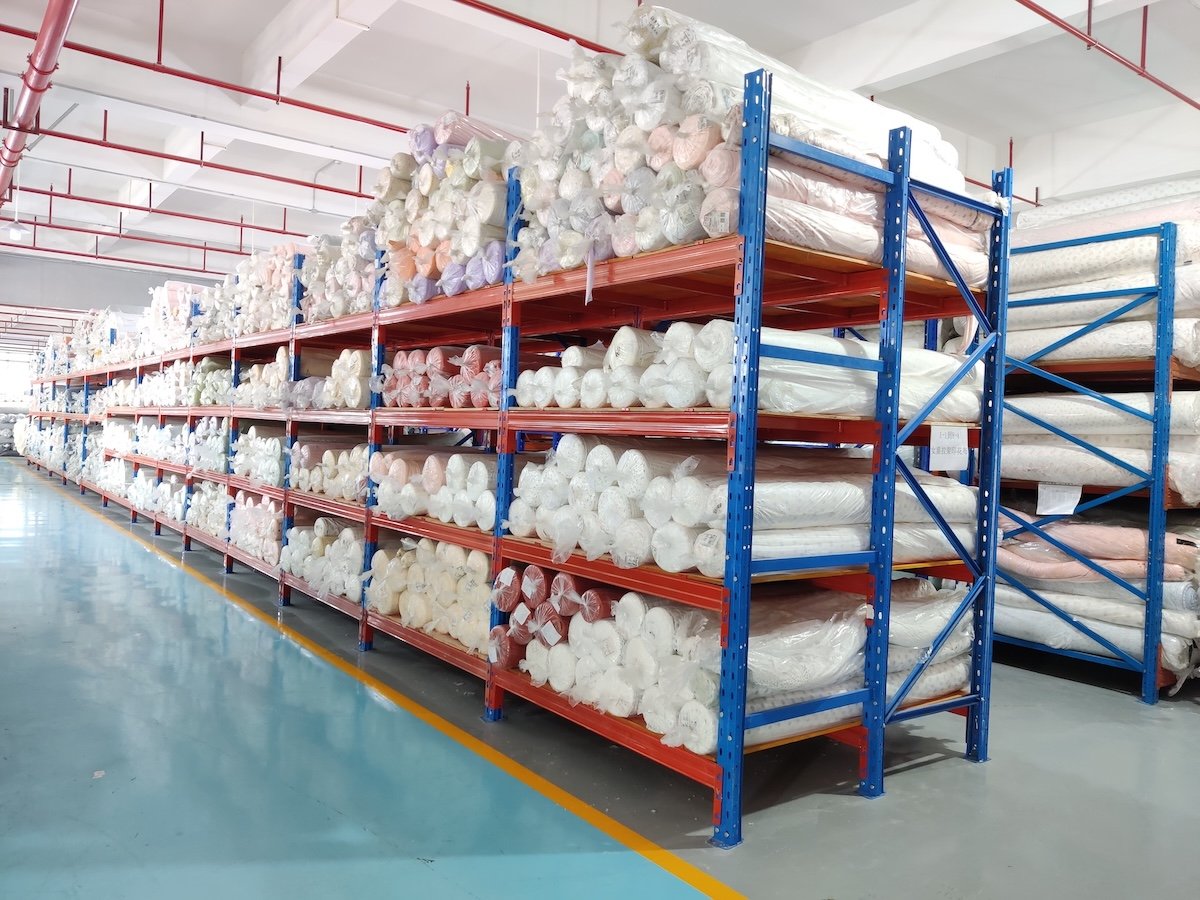
The factory needs your final fabric confirmed — fiber blend, construction, and weight in GSM — because bulk fabric must be ordered and knitted or woven before anything is cut. Approving a fabric swatch (a “bulk fabric” or “quality” approval) locks the exact hand feel and weight. If you are still deciding, our guide on knit vs woven fabric for kids’ underwear can help.
4. Approved Color and Lab Dips
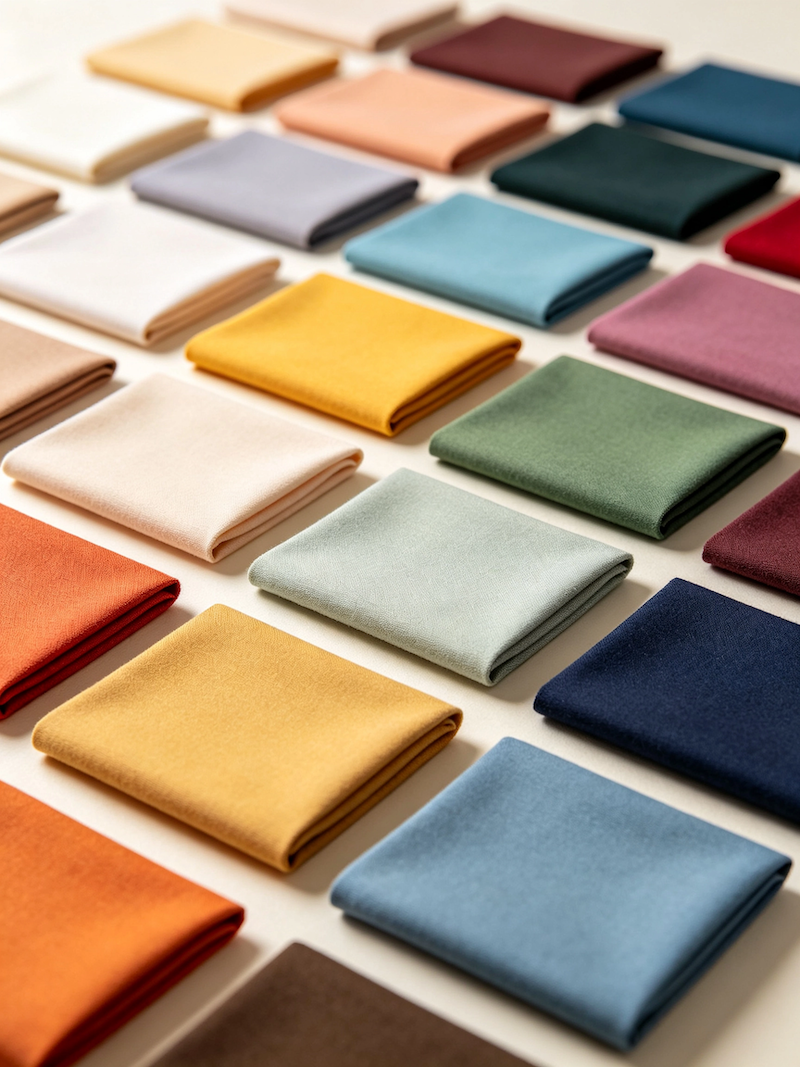
Color must be confirmed against a standard before bulk dyeing. The factory sends lab dips (small dyed swatches) for you to approve against your Pantone or physical reference. Approving lab dips prevents the costly scenario of thousands of garments arriving a shade off from your brand color.
5. Locked Size Spec and Grading
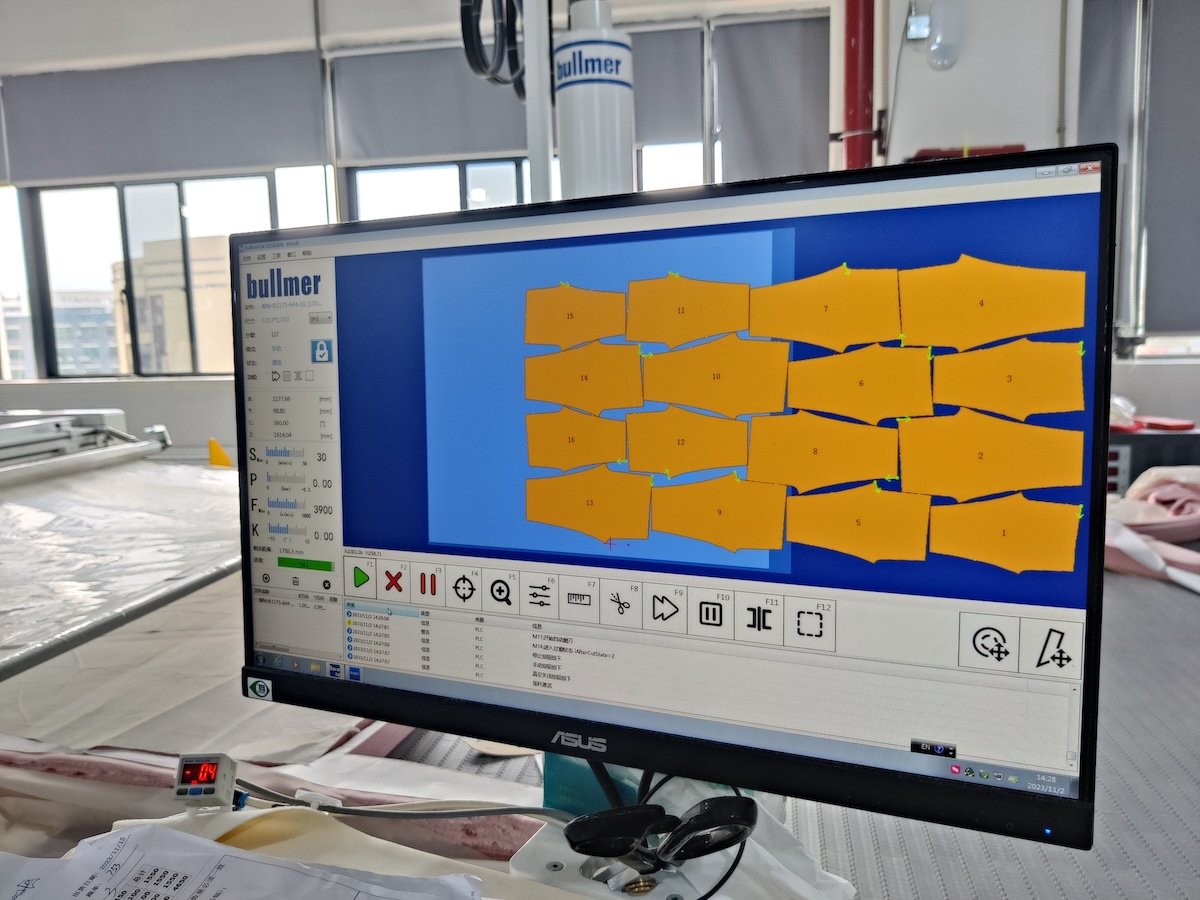
Your full size run and the measurement grading between sizes must be finalized. For kids’ products this is critical — sizing errors multiply across every unit and every size. Confirm your standard (EU, US, or Asian), the exact measurements per size, and acceptable tolerances.
6. Final Labeling and Packaging Artwork
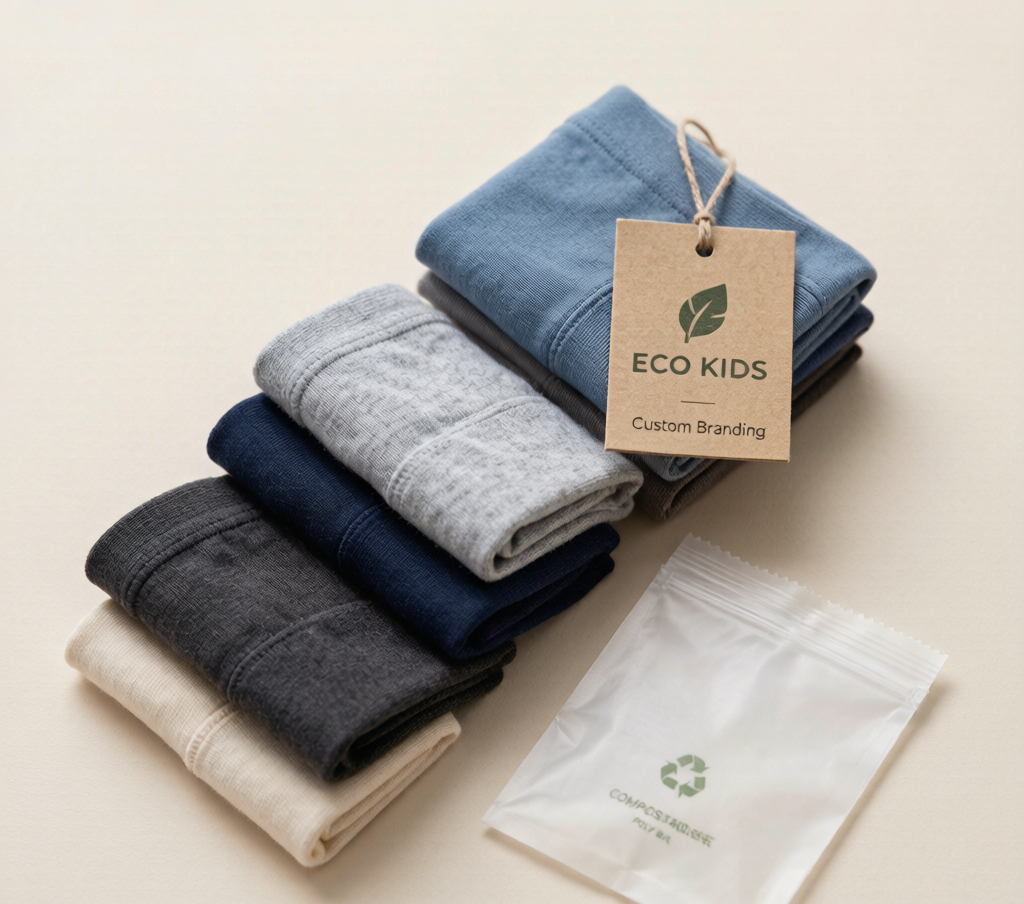
All print-ready artwork must be delivered and approved: brand labels (woven or tag-free), size tags, legally required care and fiber-content labels, hangtags, and retail packaging. Artwork errors caught here cost nothing; caught after printing, they cost a reprint.
7. Compliance and Testing Agreement
You and the factory must agree, in writing, which safety standards and tests apply for your market, and who arranges them. Kids’ underwear sits against the skin, so requirements are strict.
At Nuohua Garment, our kids’ garments are produced to recognized safety standards including GB 31701 Class A (top safety grade for direct skin contact), with third-party testing available through SGS, TÜV SÜD, and Intertek. For the US market we can supply products supported by a CPC (Children’s Product Certificate), and selected components carry ETL LISTED verification. We are also currently advancing our compliance with OEKO-TEX Standard 100 certification (in progress). Agreeing these before production means the correct tests are built into the schedule, not scrambled for at the end.
8. Signed Purchase Order and Deposit
Finally, a signed PO confirms the agreed quantities, prices, terms, and delivery date, and the deposit lets the factory commit to buying bulk materials. This is the green light — no serious OEM will schedule bulk on a verbal “let’s go.” The PO also becomes the reference for the final balance and shipping terms.
Production-Readiness Table
| # | Sign-off | What it locks | Who provides |
|---|---|---|---|
| 1 | Approved PP sample | Fit, feel, construction | Factory makes, brand approves |
| 2 | Final tech pack | Measurements & specs | Brand (factory can assist) |
| 3 | Fabric & GSM | Hand feel & weight | Brand approves swatch |
| 4 | Lab dips / color | Exact brand color | Factory sends, brand approves |
| 5 | Size spec & grading | Consistent sizing | Brand confirms standard |
| 6 | Labeling & packaging | Branding & legal labels | Brand supplies artwork |
| 7 | Compliance agreement | Market safety & tests | Brand & factory agree |
| 8 | Signed PO + deposit | Order & commitment | Brand issues |
Frequently Asked Questions
Why can’t production start right after I pay the deposit?
The deposit lets the factory buy materials, but bulk cannot cut until the fabric, color, sizing, sample, and artwork are all approved. Skipping those sign-offs is how brands end up with thousands of pieces that are the wrong shade, size, or feel.
Do I really need a physical pre-production sample?
Yes. Photos hide fit, hand feel, and seam quality. A physical PP sample you have washed and approved becomes the objective standard your bulk is measured against, and it is your strongest protection if anything is disputed later.
Who is responsible for compliance testing?
It should be agreed in writing before production. Many factories, including ours, can arrange testing through labs such as SGS, TÜV SÜD, or Intertek and supply supporting documents like a CPC for the US market — but you must confirm which tests your destination requires and whose name the certificate is in.
How long does the pre-production stage take?
It varies with how ready your brief is. Brands that arrive with a clear tech pack and references move through sampling and approvals quickly; those still deciding fabric, color, and sizing take longer. Getting these decisions made early is the fastest route to bulk.
What is your MOQ and can you help us get production-ready?
Our standard MOQ is 2 pcs on selected in-stock styles, colors and sizes, with flexibility for sampling. We support brands through sampling, tech-pack refinement, fabric and color approval, labeling, and packaging so you reach production-ready status smoothly.
Get Production-Ready, Then Scale With Confidence
Every sign-off an OEM requests before production is a checkpoint that protects your brand from an expensive bulk mistake. Treat the list as your launch runway, not red tape: clear all eight and your factory can commit materials, schedule bulk, and deliver a run that matches the sample you approved.
Nuohua Garment is an OEM/ODM manufacturer specializing in kids’ underwear, training bras, and soft basics, guiding brands from sample to bulk with full customization of fabric, sizing, colors, labeling, and private-label packaging from a low ready-stock minimum of 2 pcs on selected in-stock styles, colors and sizes per item — backed by GB 31701 Class A, CPC, SGS, TÜV SÜD, and Intertek testing. Explore our manufacturing capabilities or send us your tech pack to start getting production-ready.