
3D virtual sampling kids underwear starts on screen: you see the garment draped, coloured, printed, and rotated — before a single physical sample is cut. For woven products it is now mainstream. For kids’ underwear the picture is more honest: it is excellent for silhouette, colour, print, and packaging decisions, and genuinely limited for the one thing that matters most in underwear — how a stretch knit sits and recovers on a moving child’s body. This guide explains how 3D sampling actually works, where it saves you rounds and money, and where you still need a physical sample. It builds on your tech pack and material spec — the data that feeds any 3D model.
3D virtual sampling turns your tech pack into a digital garment you can review on screen. For kids’ underwear it reliably cuts the “looks-wrong” rounds — silhouette, colourway, print placement, and packaging — often removing one early physical round and shortening front-end development by one to two weeks. It does not replace a physical fit sample: stretch, recovery, and skin-contact comfort must still be confirmed on a real body. Use 3D to decide how it looks; use a physical sample to confirm how it fits and feels.
In this guide
- What 3D virtual sampling actually is
- How the workflow runs, step by step
- The tools and data behind a 3D sample
- Where 3D helps most for kids’ underwear
- The honest limits: stretch knits and fit
- Cost and time impact (realistic ranges)
- When to use 3D vs a physical sample
- How Nuohua combines 3D and physical sampling
- Frequently asked questions
What 3D Virtual Sampling Actually Is
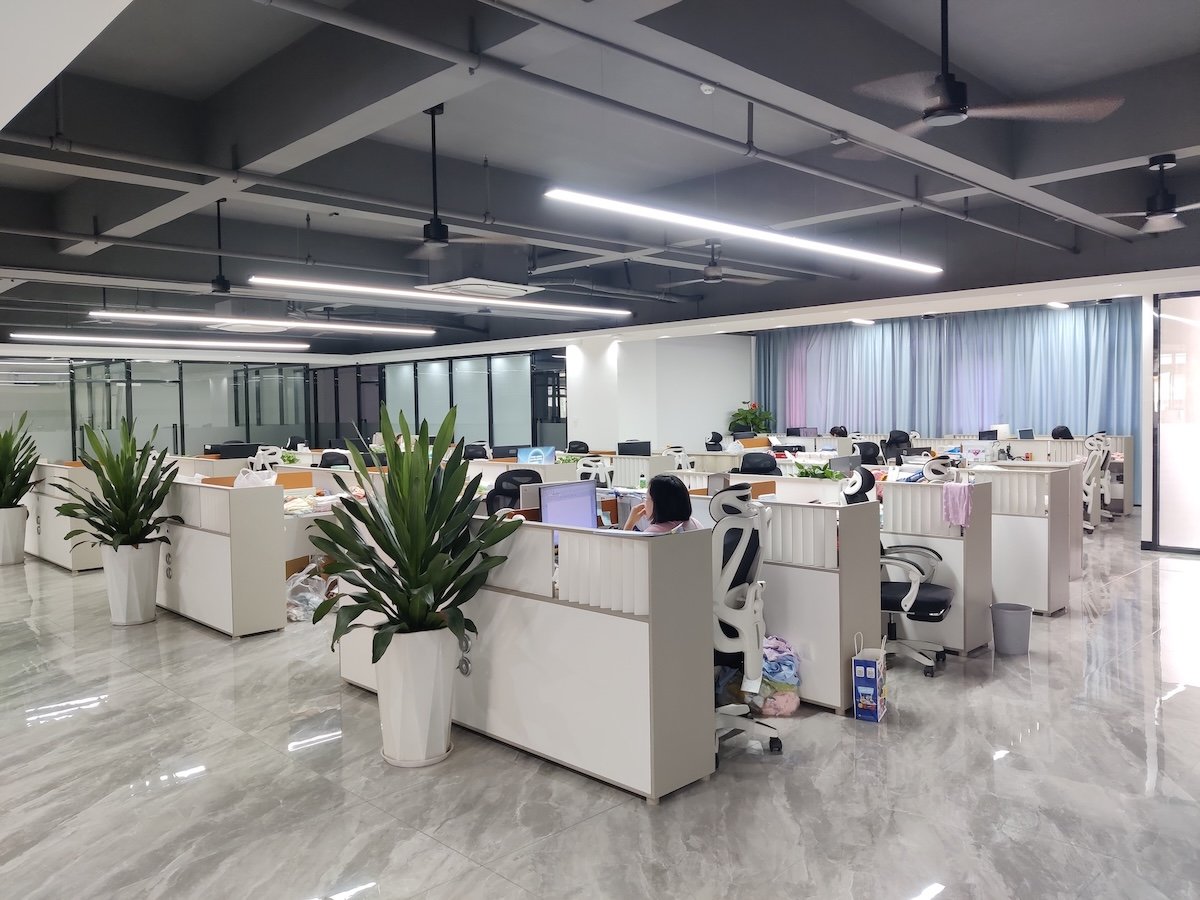
3D virtual sampling is the process of building a digital twin of a garment from its 2D pattern and material data, then draping it on a virtual body to review look and construction before cutting cloth. Instead of couriering a physical prototype back and forth, the factory and brand look at the same rotating model, change a colour or a print in minutes, and lock decisions that used to need a shipped sample. It is not a render or a mood image — it is a simulation driven by real pattern pieces, seam lines, and fabric properties from your tech pack.
How the Workflow Runs, Step by Step
A 3D sample for kids’ underwear follows a repeatable path. The quality of the output depends entirely on the quality of the input at Step 1.
- Step 1 — Digitise the pattern. Graded pattern pieces and seam lines are imported from CAD. A vague tech pack produces a vague model.
- Step 2 — Assign the fabric. Fiber, GSM, stretch, and drape values are applied so the knit behaves like the real cloth — not like paper.
- Step 3 — Stitch virtually. Panels are sewn on screen along the real seam lines, including binding and waistband placement.
- Step 4 — Drape on an avatar. The garment is fitted to a child-proportioned avatar for the target age band.
- Step 5 — Apply colour and print. Pantone colourways and print artwork are mapped to scale, so placement is judged accurately.
- Step 6 — Review and iterate. Brand and factory annotate the model, change what is wrong, and re-render — usually in hours, not shipping days.
The Tools and Data Behind a 3D Sample
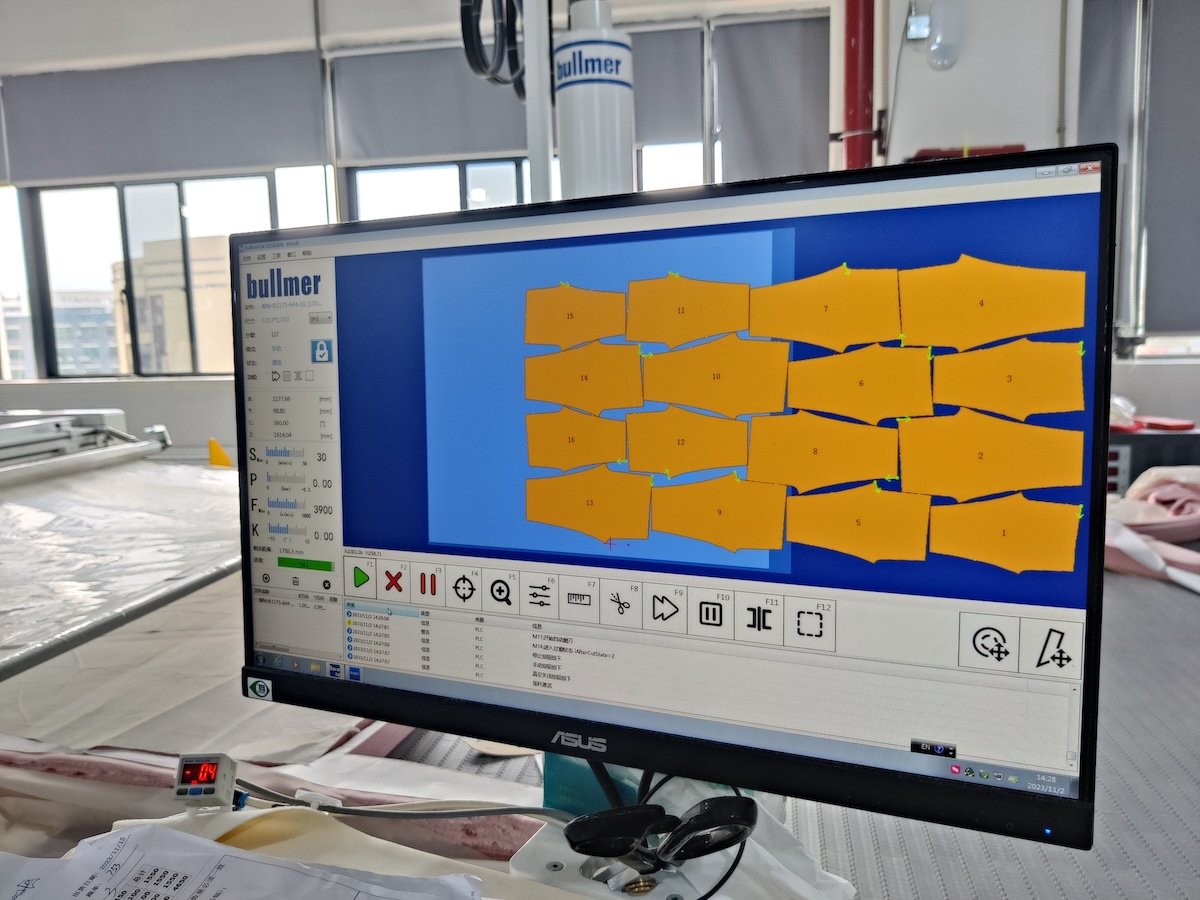
Most garment 3D today runs on a handful of specialist platforms — CLO3D and its business sibling Marvelous Designer, Browzwear (VStitcher), Optitex, and Style3D are the common apparel engines, while Shima Seiki’s APEXFiz is built specifically around knit structures. The software matters less than what you feed it. Three inputs decide whether a 3D sample is useful or misleading:
- CAD pattern data — accurate, graded pattern pieces, not a sketch.
- A measured digital fabric profile — not a generic preset. Serious 3D depends on real fabric physics captured from a swatch: professional fabric scanners (for example Browzwear’s Fabric Analyzer) measure weight, bending/stiffness, stretch, and shear/drape so the knit behaves like the real cloth. Generic fabric presets are the most common reason a 3D underwear model looks right but behaves wrong.
- A correct avatar — child body proportions for the target age, not a scaled-down adult.
Because the model is only as good as your fabric, lining, and trim spec, 3D sampling rewards brands that already write a precise tech pack — and exposes brands that don’t. The honest caveat for underwear: even a scanned fabric profile is a measurement at rest, and a high-elastane knit’s real behaviour under repeated stretch still has to be confirmed against a physical swatch.
Where 3D Helps Most for Kids’ Underwear
These are the decisions 3D handles well, and where it reliably removes a physical round:
| Decision | Why 3D works here | Typical saving |
|---|---|---|
| Silhouette & proportion | Shape and coverage read accurately on the avatar | Removes 1 early “shape” round |
| Colourways | Compare 6+ Pantone options in an afternoon | Days, not shipping weeks |
| Print placement & scale | Artwork mapped to true scale on the panel | Avoids a mis-scaled print resample |
| Range cohesion | See the whole collection side by side | Faster line-wide sign-off |
| Packaging & label mock-up | Folded and packed views before print | Catches artwork errors early |
The Honest Limits: Stretch Knits and Fit
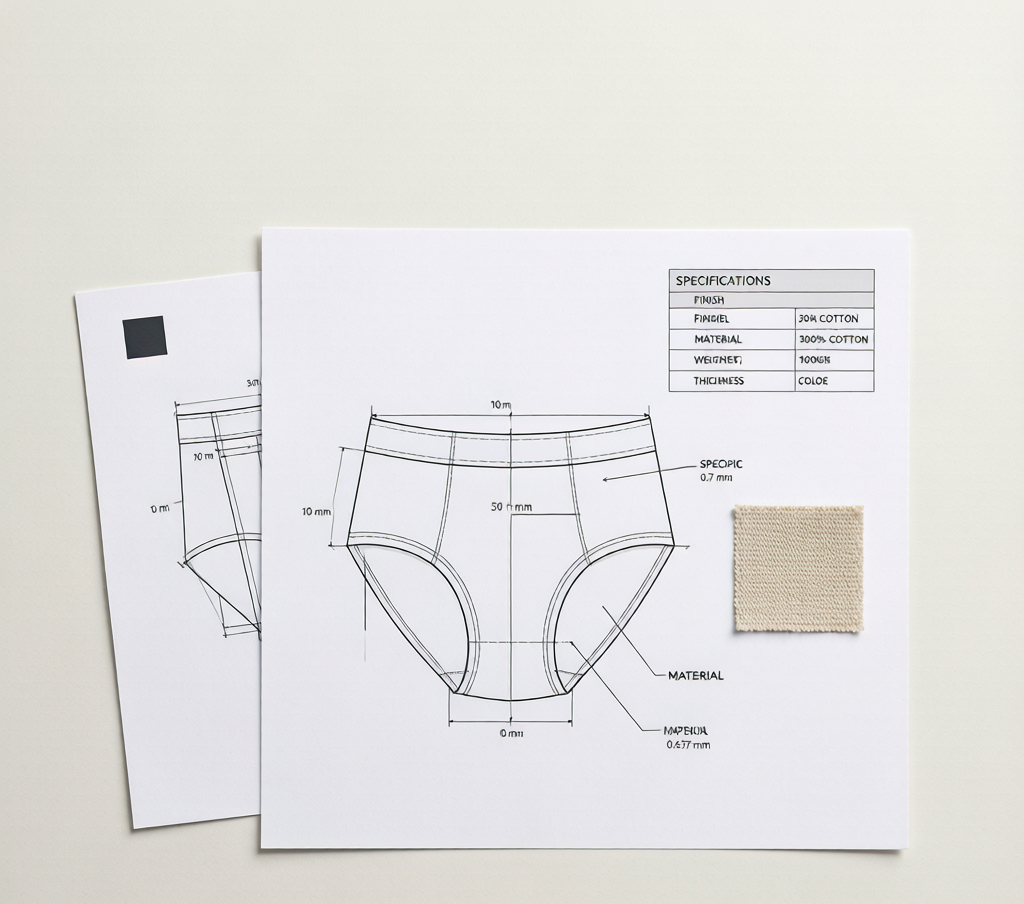
Here is where a responsible manufacturer will tell you the truth that a sales page won’t. Kids’ underwear is mostly elastic knit, and stretch-knit behaviour is the hardest thing for any 3D engine to simulate accurately. A woven dress holds its shape; a knit brief stretches, recovers, and grips differently on every body. It is a known limitation across the industry: high-elastane fabrics — the exact category most kids’ briefs and waistbands fall into — are where digital drape diverges most from reality, and practitioners routinely calibrate those simulations against a physical swatch rather than trusting the model outright. That means:
True fit and recovery. How the waistband grips and rebounds after a day of wear needs a real elastic on a real body.
Skin-contact comfort. Seam feel, elastic softness, and chafe cannot be felt on a screen.
Compliance testing. GB 31701 Class A / CPC skin-safety tests are run on physical fabric and trims, never on a model.
Hand-feel and true colour. Screens approximate; a lab dip and a fabric swatch confirm.
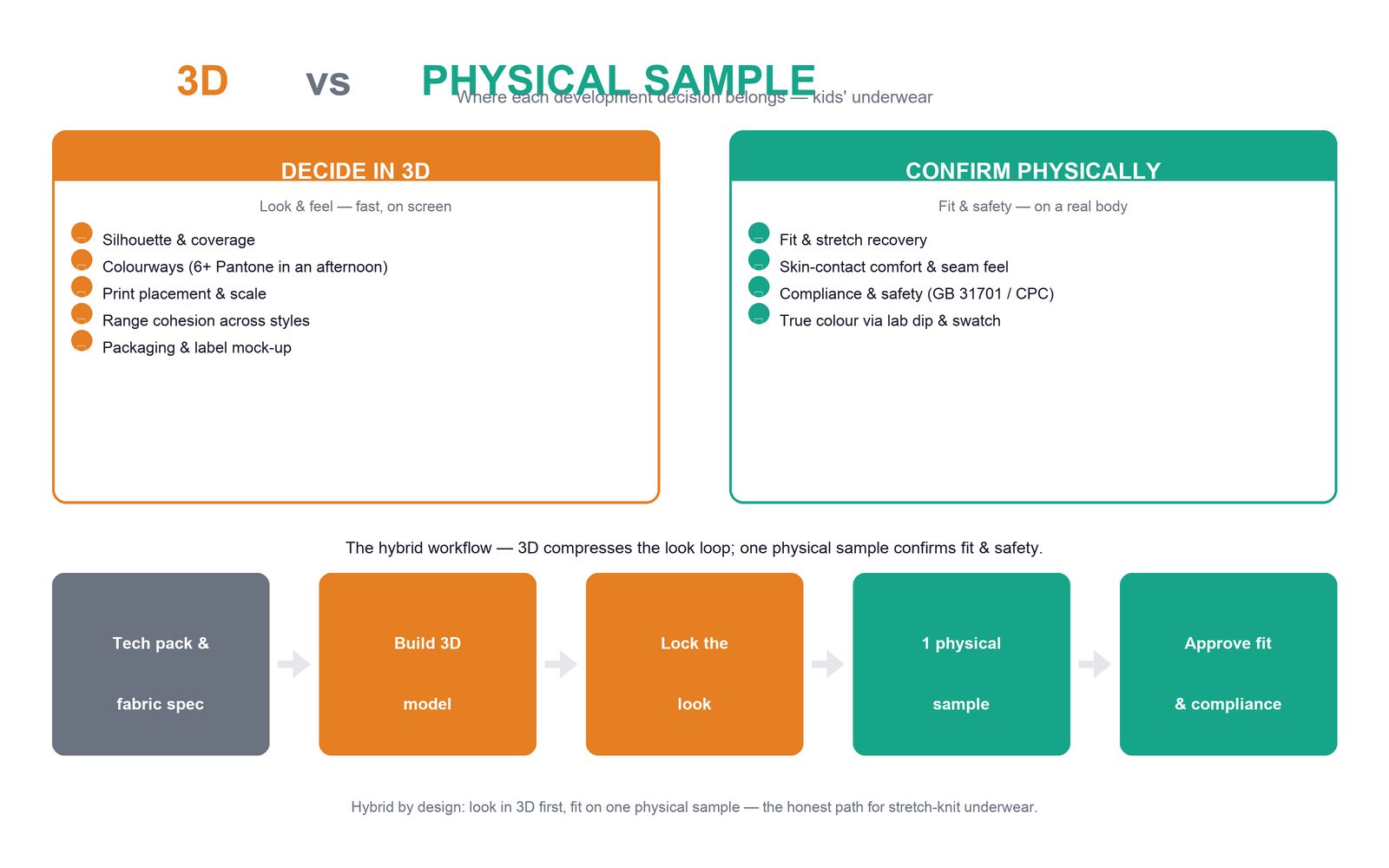
This is why we treat 3D as a decision accelerator, not a fit replacement. It removes the rounds you waste on how it looks, so the physical sample can focus on how it fits and feels.
Cost and Time Impact (Realistic Ranges)
Across the wider apparel industry, 3D vendors and adopters report meaningful gains: fewer physical prototypes (commonly cited in the 30–50% range), fewer review-and-revision rounds, and digital iterations turned around in hours to a couple of days rather than the one-to-three weeks a shipped physical round takes. Those figures come mostly from woven-heavy programs, so we deliberately temper them for knit underwear — the numbers below are realistic for a small private-label kids’ underwear program, because knit underwear benefits less from 3D than a woven dress does. Treat them as typical, not guaranteed.
| Metric | Physical-only | 3D + one physical |
|---|---|---|
| Look/silhouette/print rounds | 2–3 shipped rounds | 0–1 shipped round |
| Front-end development time | 4–6 weeks | 2–4 weeks |
| Colourway review | 1 round per option group | Same day, on screen |
| Fit / recovery confirmation | Physical sample | Physical sample (unchanged) |
| Sample courier cost | Every round | Fewer rounds |
The saving is real but bounded: 3D compresses the front-end look-and-feel loop; it does not remove the physical fit sample that kids’ underwear compliance and comfort demand.
When to Use 3D vs a Physical Sample
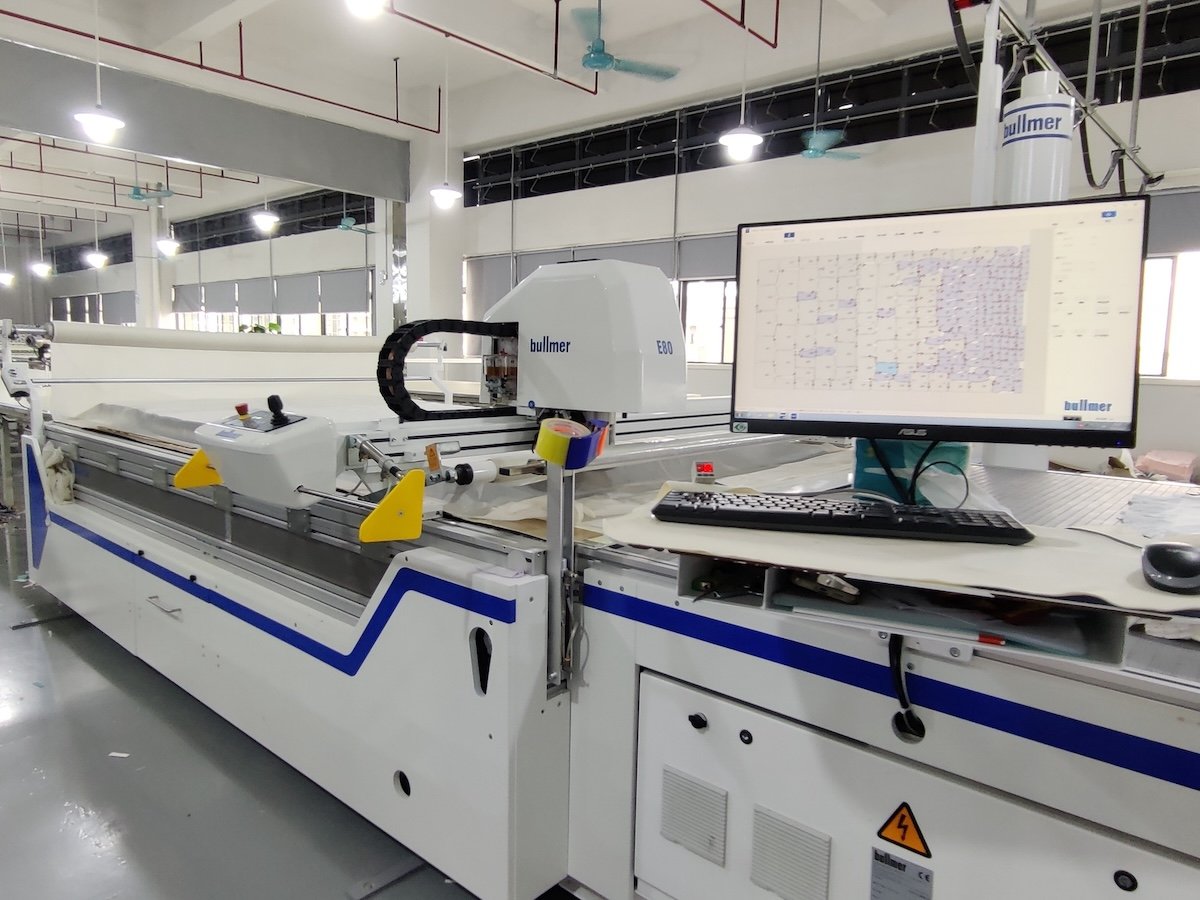
A simple rule keeps the two in their lanes:
| Use 3D when you are deciding… | Use a physical sample when you are confirming… |
|---|---|
| Silhouette, coverage, proportion | Fit and stretch recovery on a body |
| Colourways and print placement | Skin-contact comfort and seam feel |
| Range cohesion across styles | Compliance and safety testing |
| Packaging and label layout | True colour via lab dip and swatch |
If you are still building the brief that feeds either path, our development request guide shows exactly what to send, and the BOM guide covers how those decisions flow into cost.
How Nuohua Combines 3D and Physical Sampling
Our workflow is hybrid by design. We use 3D to lock every look-and-feel decision fast — silhouette, colour, print, packaging — then cut one accurate physical sample from the same digital pattern to confirm fit, recovery, comfort, and compliance. Because the physical sample inherits the exact pattern the 3D model used, it lands closer on the first try. This is also why we ask for a complete tech pack and material spec up front: garbage in, garbage model. When the inputs are clean, brands typically approve the look in 3D within days and approve the physical fit in a single round. If you are still shortlisting a manufacturer, ask whether their 3D claims include an honest account of stretch-knit limits — the honest answer is the reliable one. A production-ready brief, as our readiness checklist shows, is what makes any sampling path fast.
Frequently Asked Questions
Can 3D sampling fully replace physical samples for kids’ underwear?
No. It replaces the look-and-feel rounds, but fit, stretch recovery, comfort, and compliance still need one physical sample. Anyone claiming otherwise for stretch knits is overselling.
Does 3D work better for wovens than for knit underwear?
Yes. Woven drape is easier to simulate. Stretch-knit behaviour is harder, so for underwear 3D is strongest on silhouette, colour, and print rather than fit.
What do you need from me to build a 3D sample?
A graded CAD pattern (or a tech pack we can pattern from), a precise fabric spec with stretch and GSM, and your colour and print artwork.
Which 3D software is used?
The mainstream apparel engines are CLO3D, Browzwear (VStitcher), Optitex, Style3D, and Marvelous Designer, with Shima Seiki APEXFiz specialised for knit structures. What matters for you is not the brand of software but whether the fabric physics are measured from your real swatch rather than pulled from a generic library.
Is 3D sampling more sustainable?
Yes, indirectly. Cutting the number of shipped physical rounds reduces sample fabric waste and courier shipping — a genuine benefit — but for kids’ underwear it never removes the final physical fit sample required for comfort and safety confirmation.
Will 3D sampling save me money?
Usually yes on the front end — fewer shipped look rounds and faster sign-off — but budget for the one physical fit sample that underwear always needs.
Sample smarter: 3D for the look, physical for the fit
Send us your tech pack and we’ll show your line in 3D first, then cut one accurate physical sample to confirm fit and compliance.
Explore More Nuohua Resources
- Kids’ Underwear Manufacturing — Answers Hub: Direct, sourced answers to the questions B2B buyers ask most (MOQ, certifications, customization, lead time, compliance).
- Trust Center: Verified certifications, our documented quality system, and real manufacturing capabilities.