
Yes — bamboo kids’ pajamas are one of the strongest private-label niches on Amazon, but only if your manufacturer handles US children’s sleepwear compliance (CPSIA, CPC, snug-fit labeling) and FBA-ready packaging. Choose an OEM that treats compliance as part of production, not an afterthought.
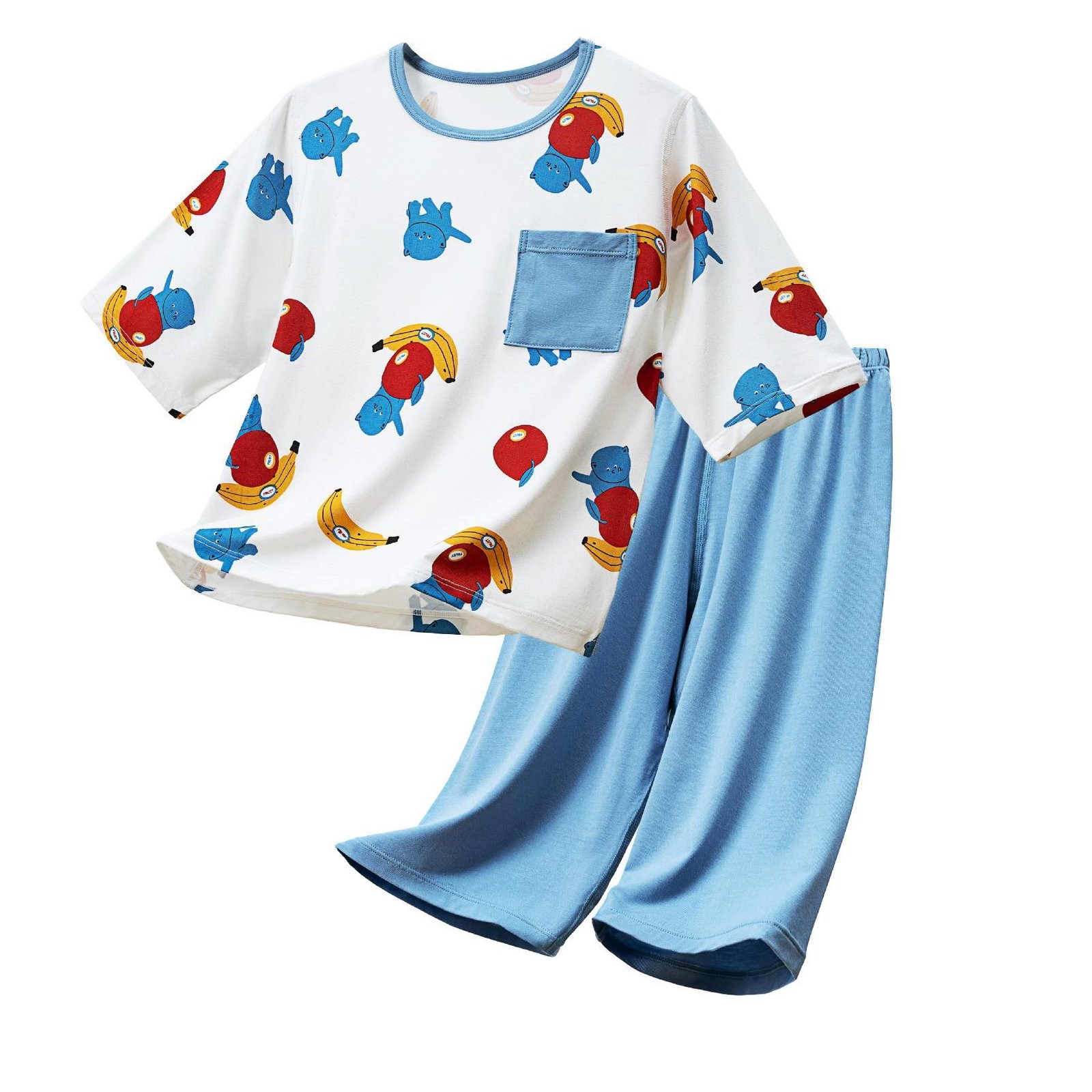
A Bamboo Kids Sleepwear Manufacturer lives or dies by a single promise on Amazon: when parents search for “bamboo pajamas” or “bamboo sleepwear,” they are not buying a fabric — they are buying cooler nights, softer touch, fewer skin complaints. For a private-label seller, that promise is the whole business. The hard part is not finding a factory that will sew bamboo; it is finding one that gets your products through Amazon’s compliance dock and into an FBA warehouse without a suspended listing.
This playbook starts where Amazon actually gates you — at US children’s sleepwear safety rules and FBA inbound requirements — then walks back to fabric choice, sampling, and launch timeline. If you are new to custom production, our complete guide to custom kids’ underwear and pajama manufacturing covers the full process end to end.
What’s inside
- Why bamboo leads the kids’ pajama niche
- The compliance gate Amazon enforces first
- Bamboo fabric options we actually run
- FBA-ready packaging and labeling from day one
- From tech pack to first shipment: the timeline
- Mistakes Amazon sellers make when sourcing bamboo pajamas
- What a manufacturing partner can and cannot do
- Frequently asked questions
1. Why bamboo leads the kids’ pajama niche
Bamboo-derived fiber (most often viscose made from bamboo) has three qualities that fit children’s sleepwear better than many alternatives: a smooth, round fiber surface that feels soft against sensitive skin; good moisture transport that helps regulate temperature through the night; and a natural drape that photographs well for listings. For an Amazon audience that buys with their eyes and reviews with their hands, those three points convert.
One honesty note that protects you later: in the United States, fiber content must be stated accurately. “Bamboo” on its own can read as greenwashing. The correct, FTC-compliant phrasing is “rayon made from bamboo” or a clear bamboo blend percentage. We build this into every care label so your listing copy and your physical garment tell the same story.
2. The compliance gate Amazon enforces first
Most bamboo-pajama sourcing guides talk about MOQ and price. Amazon talks about paperwork. Children’s sleepwear is a regulated category, and Amazon requires documentation before a listing goes live:
- CPSIA limits — total lead content and regulated phthalates must sit within federal limits, verified by a third-party, CPSC-accepted laboratory.
- Children’s Product Certificate (CPC) — the importer (you or your US entity) certifies compliance; the test report behind it comes from an accepted lab.
- Tracking label — permanent marks on the garment and packaging showing manufacturer/private labeler, date and place of manufacture, and batch or run number.
- Sleepwear flammability rules — 16 CFR Part 1615 (sizes above 9 months to 6X) and Part 1616 (sizes 7–14). Snug-fitting sleepwear that meets the standards’ sizing tables is exempt from flammability testing but must still meet general clothing flammability (16 CFR 1610) and carry the label “Wear snug fitting, not flame resistant” plus a yellow hang tag. Loose-fitting sleepwear must pass flammability testing.
- CPC backed by a CPSC-accepted lab report showing “pass” or “N/A” (Amazon rejects blank or “fail”).
- Snug-fit garments labeled “Wear snug fitting, not flame resistant” with the required yellow hang tag.
- Permanent tracking label on both garment and packaging.
- Accurate fiber content — “rayon made from bamboo,” not bare “bamboo.”
- Care label and any printed graphics verified for lead/phthalate limits.
See our Trust Center for the third-party labs and standards we build production around.
3. Bamboo fabric options we actually run
“Bamboo” is not one material. The hand-feel, price, and durability vary with the blend and the knit. Below are the constructions we run most for kids’ sleepwear:
| Fabric | Typical GSM | Best for | Note |
|---|---|---|---|
| 100% Bamboo Viscose Jerseys | 150–180 | Summer pajama tops, lightweight sets | Softest hand; less recovery than blends |
| Bamboo / Cotton Blend | 160–200 | All-season pajamas, boxer shorts | Better shape recovery, easy care |
| Bamboo / Modal Blend | 170–210 | Premium snug-fit sleepwear | Smooth, durable, holds print |
| Bamboo French Terry | 220–260 | Two-piece lounge sets, cooler climates | Mid-weight, cozy, breathable |
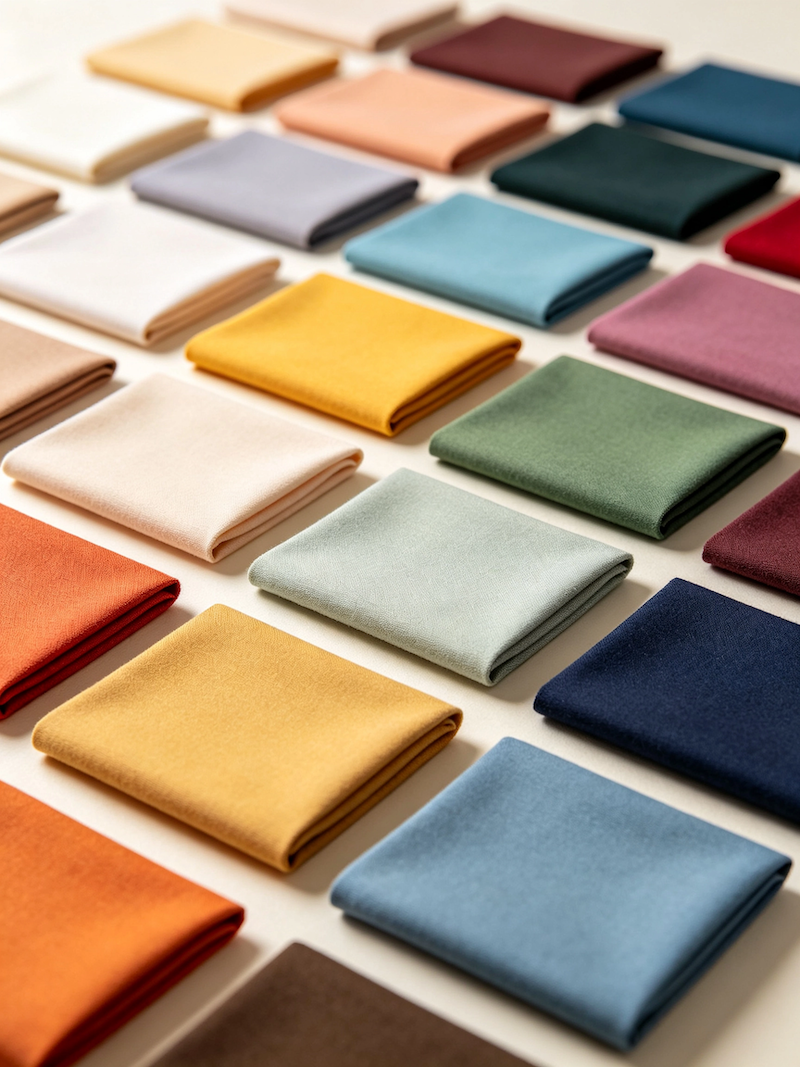
Color is where private-label brands win repeat purchases. We match dyed fabric to Pantone references and keep the batch record, so a reorder six months later still matches the hero image on your listing. For material safety, our production is built around GB 31701 Class A (China’s strictest children’s safety class) and third-party verification by SGS, TÜV SÜD, and Intertek; OEKO-TEX Standard 100 certification is in progress.
4. FBA-ready packaging and labeling from day one
Nothing sinks a launch like a shipment rejected at the inbound dock. Amazon’s packaging rules are mechanical but unforgiving: polybags must be at least 1.5 mil thick with a suffocation warning, every unit needs a scannable FNSKU barcode, and the barcode must not be obscured by the hang tag. We build these into the packing spec rather than bolt them on after sampling.
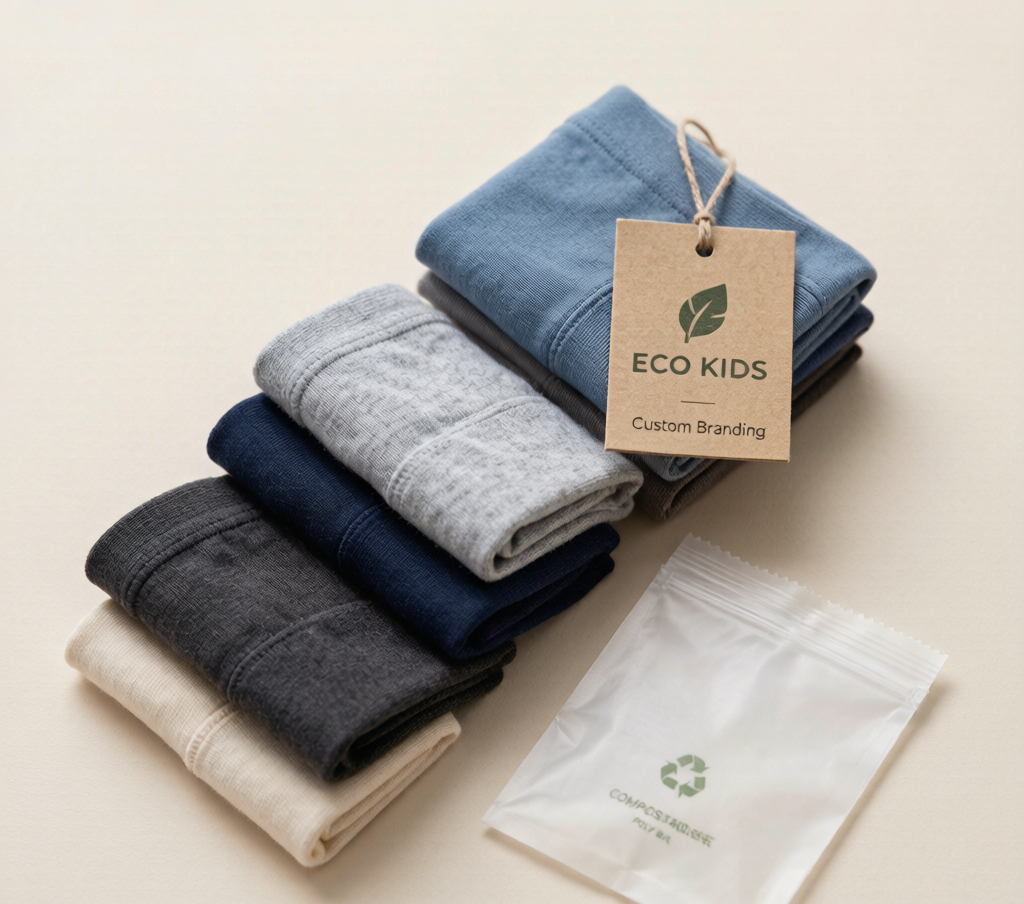
Your brand lives on three small surfaces: the woven label, the hangtag, and the care label. We produce all three to your artwork and can pre-apply the FNSKU and the required tracking text so units arrive case-ready. For the bigger picture on branding, see our private-label kids’ clothing page.
5. From tech pack to first shipment: the timeline
A clean launch is mostly a clean hand-off of information. The sequence we use:
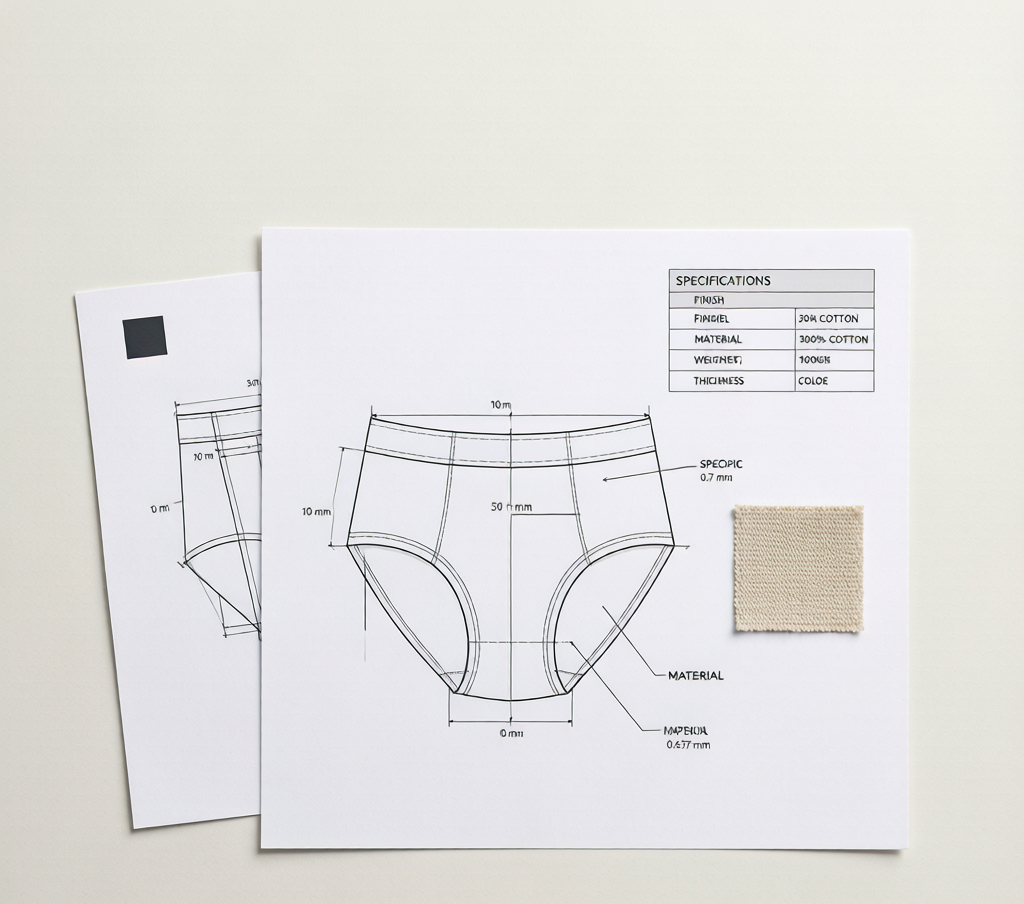
- Tech pack — flat sketch, measurements, fabric, trims, label spec. Our tech pack guide shows the minimum viable pack.
- Quote & BOM — fabric and trim choices drive cost more than labor; the BOM breakdown explains how.
- Sampling — a physical sample, or 3D virtual sampling to lock the look before cutting fabric. Use our development-request template to brief us fast.
- Bulk & QC — inline and final inspection; pre-shipment testing coordinated with an accepted lab.
- FBA inbound — carton labels, DDP or FOB terms, shipped to your designated warehouse.
Typical, not guaranteed, ranges: sampling 7–15 days; bulk production 25–40 days after approval; ocean to a US coast adds 25–40 days, air 5–10 days. Build the compliance testing window into your launch calendar — it is the step sellers forget.
6. Mistakes Amazon sellers make when sourcing bamboo pajamas
These are the failures we see most often — and what each one costs you:
| Mistake | What breaks | Typical cost |
|---|---|---|
| Assuming all “bamboo” feels the same | Wrong hand-feel vs. your photos → returns and 1-star reviews | Weeks of rework, lost ranking |
| Skipping the snug-fit label requirement | Listing suspended at compliance review | Launch delayed 3–6 weeks |
| No FNSKU / polybag plan at sampling | Shipment rejected at FBA inbound | Relabel + freight reshuffle |
| Ordering MOQ too low for a first run | Unit cost too high to advertise profitably | Margin erased by PPC |
| No testing budget allocated | CPC gap when Amazon requests docs | Stock stranded, listing paused |
7. What a manufacturing partner can and cannot do
An honest OEM relationship is built on clear lines. Here is ours:
We cannot: issue the CPC on your behalf — as importer, you (or your US entity) are the certificate holder; guarantee Amazon will approve a listing (that is Amazon’s call); or hold market-specific certs we do not possess. We will tell you exactly which documents your side must own.
8. Frequently asked questions
Can you do a low MOQ for a first Amazon launch?
Yes. Our standard minimum is 2 pcs on selected in-stock styles, colors and sizes per colour/design, which lets you test 2–3 SKUs without a warehouse of dead stock.
Do you provide the CPC?
We support the testing through CPSC-accepted laboratories and supply the production records behind it. The CPC itself is issued by the importer — typically you or your US company. We make that hand-off painless.
Bamboo or cotton for kids’ sleepwear?
Both sell. Bamboo blends win on hand-feel and the “temperature-regulating” story; cotton wins on familiarity and price. Many sellers run both as separate lines. Our manufacturing FAQ covers fabric trade-offs in more depth.
Can you ship DDP straight to an Amazon FBA warehouse?
Yes, under DDP or FOB depending on your preference. We prep carton labels and FNSKU so the shipment is received cleanly.
How do you ensure snug-fit compliance?
We cut and measure to the 16 CFR 1615/1616 sizing tables, apply the “Wear snug fitting, not flame resistant” label and yellow hang tag, and keep the batch record that ties each run to its test report.