
A Kidswear Pre-Launch Waitlist Drop Strategy is the difference between launching a collection into a silent room and launching into a queue of parents who have already decided to buy. Done right, it captures demand before you spend a cent on inventory, converts that demand into a warm email list, and lets the drop itself confirm exactly which sizes and prints to produce. This guide walks the full sequence — building the waitlist, engineering the hype, running the drop and measuring what the whole exercise actually taught you.
On this page
- Why kidswear is built for pre-launch demand
- The waitlist that captures real demand, not just emails
- Engineering hype with a limited drop
- The drop itself: mechanics, timing and tiered access
- Using pre-orders to de-risk inventory
- What the waitlist data tells you about sizes and prints
- From first drop to a seasonal launch rhythm
1. Why Kidswear Is Built for Pre-Launch Demand
Kidswear is built for pre-launch demand because parents plan ahead for their children’s needs — a seasonal wardrobe change, a back-to-school refresh, a growth spurt. A waitlist converts that natural forward-planning into a list of buyers who are ready before the product even exists.
Most product categories have to manufacture urgency; kidswear gets it for free from the calendar. Parents buy children’s clothing on a schedule they do not control — the school year starts, the weather turns, the child grows out of the last set. A pre-launch waitlist simply meets that existing schedule instead of hoping to stumble into it. The result is a launch that begins with demand already measured, rather than a launch that discovers demand the hard way after the inventory is bought.
The deeper advantage is de-risking. A waitlist tells you, before you commit to production, how many parents are interested, which sizes they need and which prints they want. That is market research collected at the cheapest possible moment — before a single garment is cut — and it is the reason the smartest kidswear brands treat the pre-launch phase as the most important part of the launch, not the warm-up.
For a brand working with an OEM/ODM factory, this changes the entire sourcing conversation. Instead of guessing at quantities and hoping, you bring the factory a waitlist that quantifies demand by size and print — which is exactly the information that determines an MOQ that makes sense, whether you are producing kids underwear at 3,000–5,000 pieces per colour or a sleepwear set at 1,000 sets per design.
2. The Waitlist That Captures Real Demand, Not Just Emails
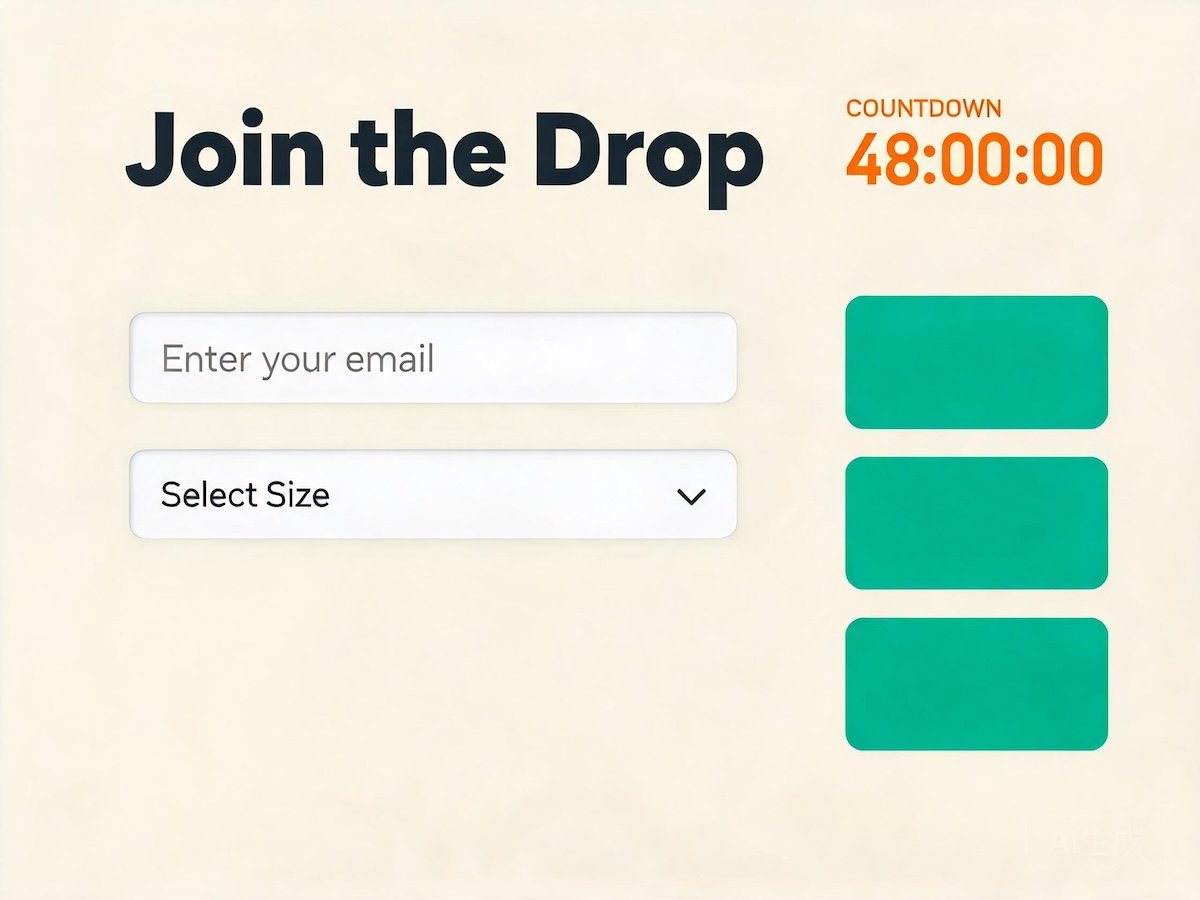
A waitlist that captures real demand asks for more than an email — it asks for the child’s size and the print or category they are interested in. Those two extra fields are what turn a list of curious browsers into a usable production signal.
An email address is the lowest-value thing a landing page can collect, because an email tells you who is mildly interested but nothing about what they would actually buy. A waitlist that only collects email is a mailing list wearing a launch costume. The waitlist that earns its name collects, at minimum, the child’s size and the product or print the parent wants, because those are the fields that convert attention into production decisions.
The ideal waitlist form is short enough to complete in seconds but rich enough to act on. A parent should be able to tap a size, tap a print they like and enter an email — three actions, done. In exchange for that data, offer something real: first access to the drop, a waitlist-only price, or an early look at the collection. The exchange has to feel like a fair exchange, because parents are asked for their email constantly and will not hand over their child’s size for nothing.
3. Engineering Hype with a Limited Drop
Scarcity in kidswear only works when it is real — a genuinely limited print run or a collection that will not be restocked. Invented scarcity collapses the moment parents realise the “limited” drop came back a week later.
Hype is a currency, and like any currency it collapses when debased. The parents in your audience are sophisticated consumers who have seen every fake countdown and every “last chance” that was never a last chance. If you run a limited drop, the limit has to be true: a print run that will genuinely not be repeated, or a collection sized to sell out. When the scarcity is real, it creates the one thing paid media cannot buy — parents telling other parents to hurry.
Real scarcity in kidswear usually comes from one of two honest sources. The first is a genuinely limited print, produced once as a test of a new design direction. The second is a seasonal collection that retires when the season ends. Both give you a truthful reason to say “when it is gone, it is gone,” and both reward the waitlist with something the general public cannot get later.
Hype also needs a rhythm, not a single announcement. A launch that telegraphs itself once and then goes quiet loses the attention it bought. Build the pre-launch window as a sequence: a teaser, a reveal, a waitlist reminder, a final-countdown, then the drop. Each beat re-engages the list and gives the parent a fresh reason to think about your brand in the days leading up to launch.
4. The Drop Itself: Mechanics, Timing and Tiered Access
Run the drop with tiered access — the waitlist opens first, then the general audience — and time it to the calendar moments parents already plan around. Tiered access rewards the waitlist and converts its members fastest, when their interest is hottest.
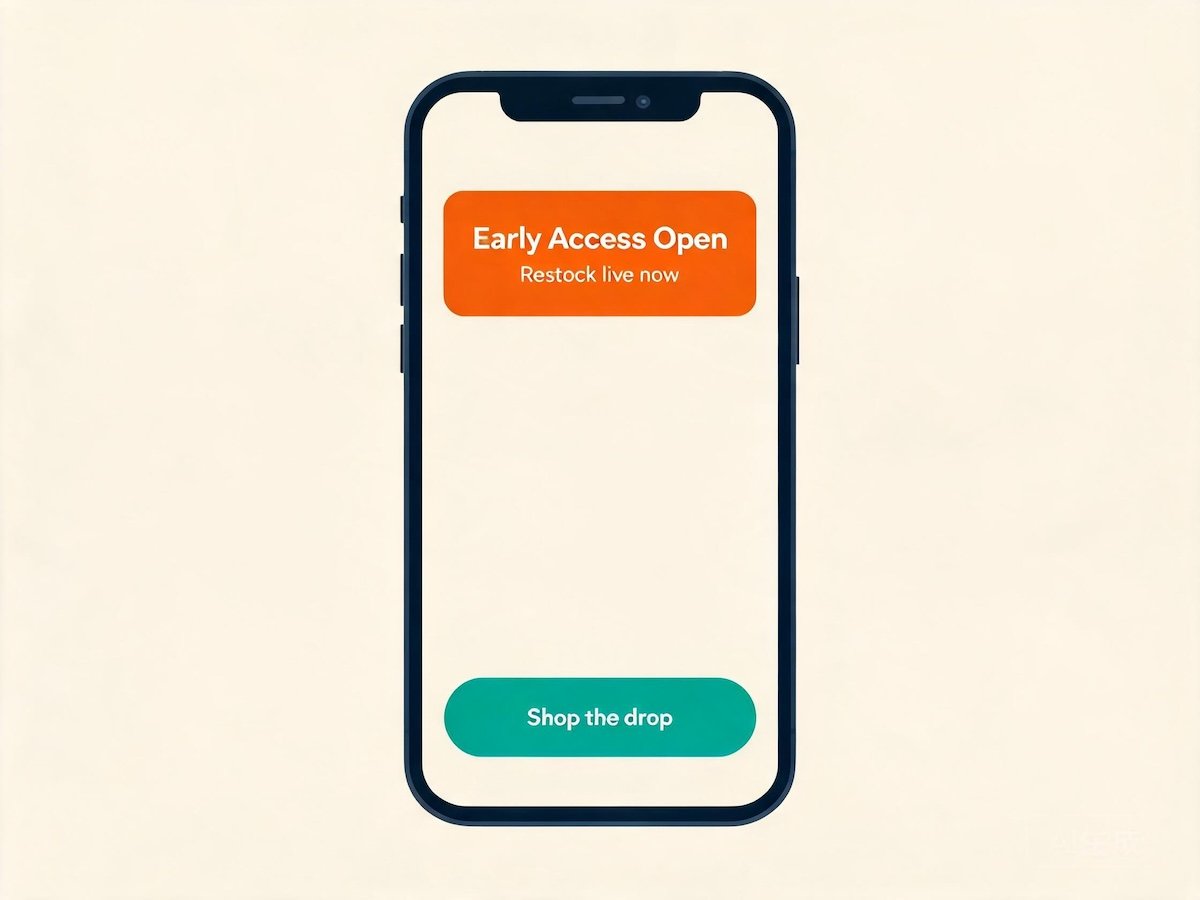
The mechanics of a drop matter more than beginners assume, because the first hour of a drop sets the tone for the entire launch. The single most effective mechanic is tiered access: open the collection to the waitlist first, give them a short head start, then open to everyone. This does two things at once — it delivers on the promise you made when you collected their size and email, and it concentrates the first wave of purchases among your warmest buyers, whose early orders create the social proof that converts everyone else.
Timing is the second lever. A kidswear drop lands hardest when it coincides with a moment parents already plan around: back-to-school, the first cold week of autumn, a holiday gift window. Launching into an existing planning cycle means you are amplifying demand that is already there, rather than trying to generate it from nothing.
| Beat | What happens | Goal |
|---|---|---|
| Teaser | A glimpse of the collection or a single print | Seed curiosity and grow the waitlist |
| Reveal | The full collection shown to the waitlist | Confirm interest and collect size preferences |
| Early access | Waitlist opens the drop first | Convert warm buyers while interest is hottest |
| General release | Drop opens to everyone | Ride the social proof of early orders |
| Close | Sold-out prints retire on schedule | Protect the scarcity that powers the next drop |
5. Using Pre-Orders to De-Risk Inventory
Pre-orders convert waitlist interest into confirmed sales before production, which lets you order against real demand rather than a forecast. The trade-off is that you must be able to deliver on the promised date, so only pre-order what your factory can realistically produce and ship.
The most powerful version of the waitlist strategy is the pre-order, where the parent pays before the product exists. This turns the launch into a demand-confirmed production run: the waitlist tells you what to make, the pre-order tells you how many, and the factory cuts to a number you already know you can sell. It is the closest a small brand can get to printing demand and manufacturing directly against it.
Pre-orders carry a real obligation, though, and the obligation is delivery. A parent who pays for a back-to-school set expects it before school starts, and a brand that misses that date has burned a customer and, worse, taught a parent to never pre-order again. The discipline is to pre-order only what your factory can realistically produce and ship within the promised window, and to build buffer into the delivery date from the start. With a factory running at a capacity of 1,000,000+ pieces a month, the production side is rarely the constraint — the constraint is your own honesty about lead times.
6. What the Waitlist Data Tells You About Sizes and Prints
The waitlist data is a free demand forecast: the distribution of sizes tells you how to grade your production run, and the distribution of prints tells you which designs to produce and which to retire before they cost you money.
The waitlist is worth running even if it produced zero sales, because the data it returns is worth more than the launch itself. When a thousand parents tap their child’s size and preferred print, you have something no guesswork can produce: the actual demand curve for your collection, captured before a single garment was ordered.
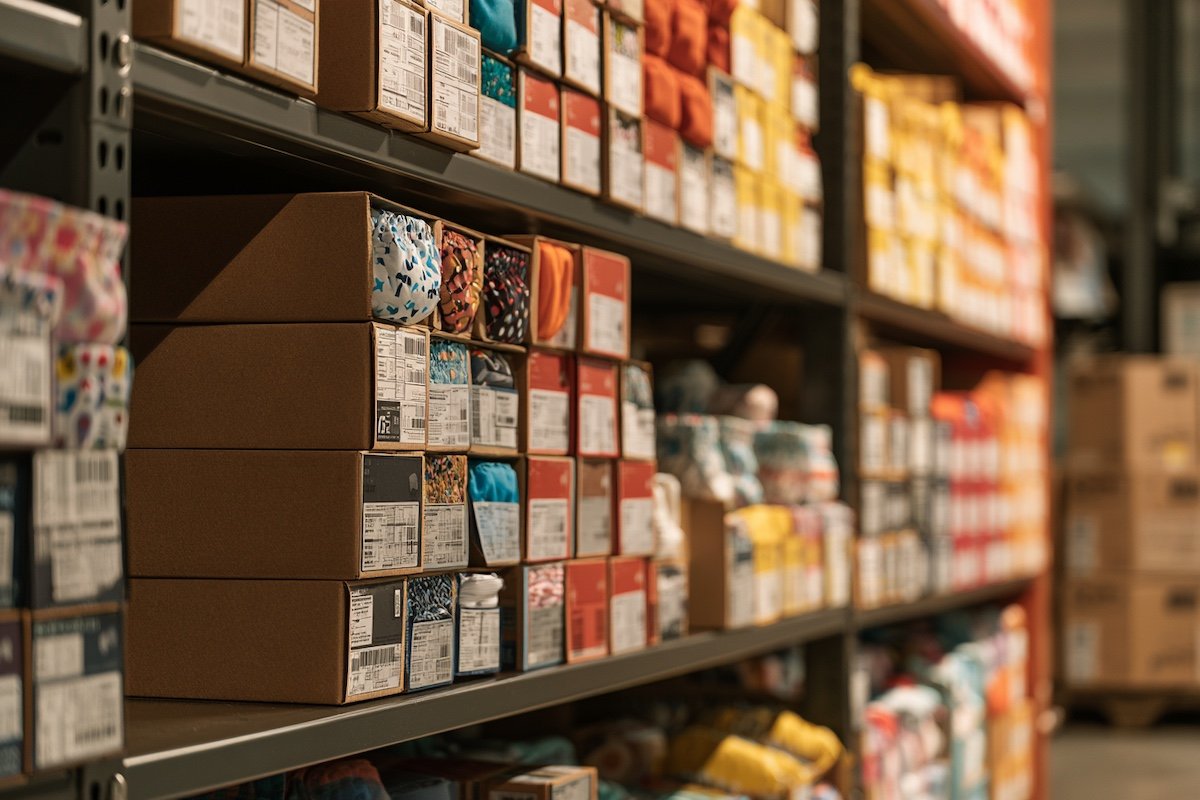
Two distributions matter most. The size distribution tells you how to split your production run — if your waitlist skews toward the 90–130 cm range, you order more of those and less of the 150–160 cm band, instead of ordering evenly and sitting on dead stock. The print distribution tells you which of your designs have pull and which are dead weight — and with a factory offering 3,000+ print designs, retiring a weak print costs you nothing, because there are thousands more to test next season.
The discipline is to read the data before production, not after. A brand that collects the waitlist and then ignores it — ordering the full size run evenly anyway — has paid for market research and then thrown it away. The entire value of the pre-launch phase is that it tells you what to make; the only way to waste it is to make what you would have made without it.
7. From First Drop to a Seasonal Launch Rhythm
One successful drop is a proof of concept; a seasonal rhythm is a business. Re-run the waitlist-drop cycle on the calendar parents already keep — school year, holidays, growth seasons — and each launch gets easier because the list compounds.
The first drop teaches you the mechanics; the second drop teaches you the business. A kidswear brand that runs the waitlist-drop cycle once and stops has collected a one-time insight; a brand that runs it every season builds a compounding asset, because each launch feeds the next — the waitlist grows, the buyer list grows, and the data on what sells by size and print gets sharper every cycle.
The rhythm to aim for maps onto the calendar parents already keep. A back-to-school drop, a holiday drop, a spring growth-season drop, and a summer refresh cover the year without manufacturing false urgency. Each follows the same sequence you have already proven: teaser, waitlist, reveal, early access, general release, close. The repetition is the point — it is what turns a launch tactic into the operating system of the brand.
And because each cycle is a small, measurable experiment, the brand compounds its learning. By the third or fourth season, you will know your size curve, your winning prints and your real lead times with a precision no competitor who launches cold can match. That knowledge, more than any single collection, is what separates a brand that survives its first year from one that scales through its fifth.
A waitlist is only as good as the factory that turns it into product on time. If you want a kids underwear or sleepwear partner that can produce against measured demand, with a 3,000+ print archive and honest lead times, send your target range and launch plan.
Email info@nuohuagarment.com · WhatsApp +86 150 1198 5393 · Request a quote at nuohuagarment.com